Chemical Resistant Flooring
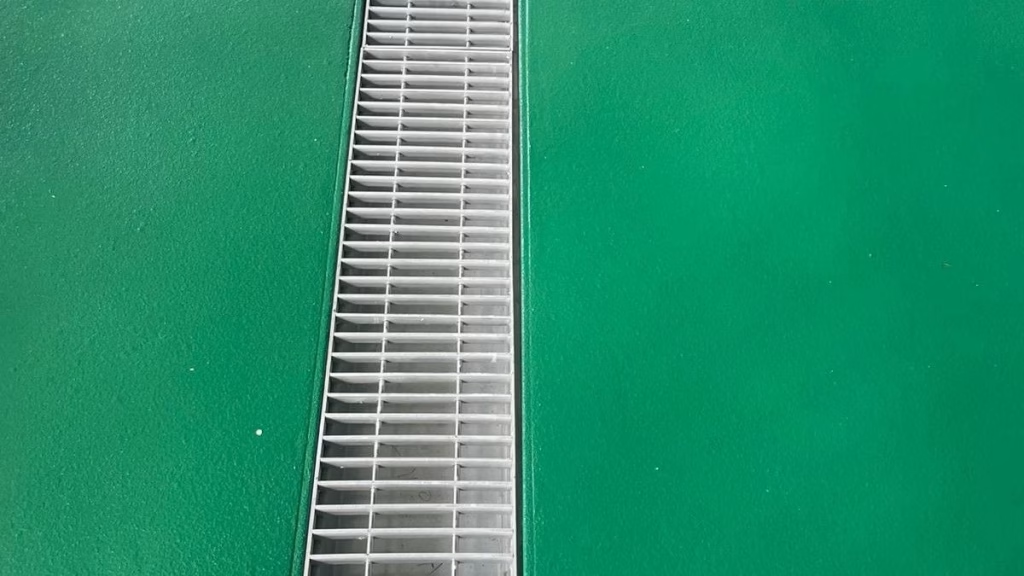
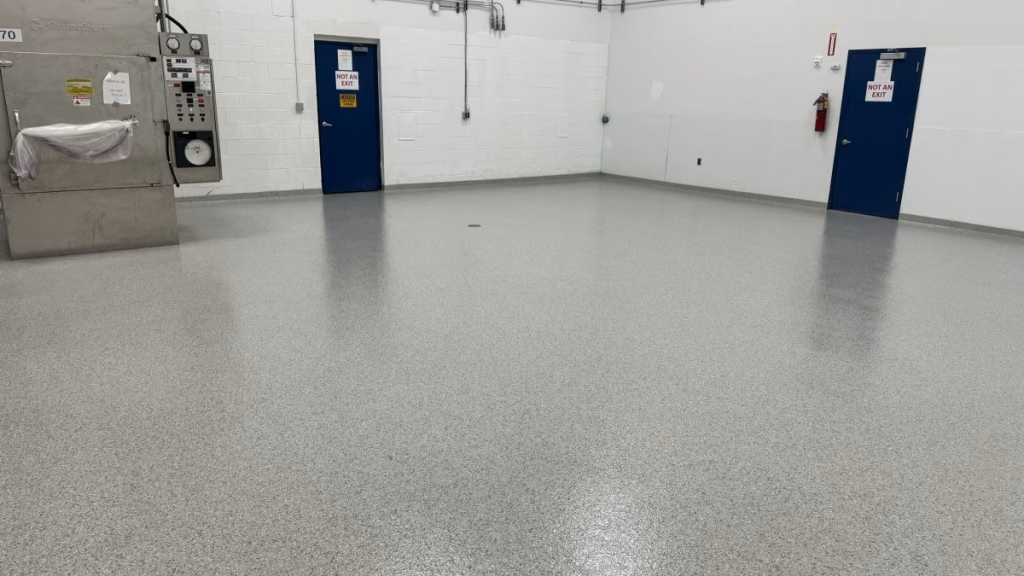
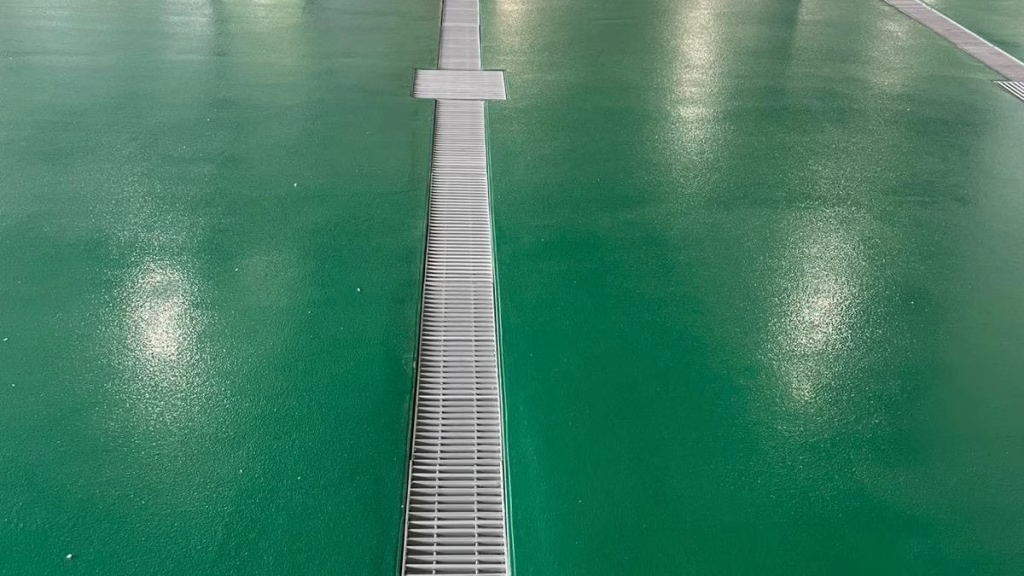
Chemical resistant flooring uses polymers to create non-porous barriers. This resists harsh acids and prevents structural damage.
Discover the benefits and practical considerations of resinous flooring. Learn how it enhances aesthetics and durability.
Chemical resistant flooring uses polymers to create non-porous barriers. This resists harsh acids and prevents structural damage.
A urethane cement floor beats concrete in durability. It’s thermal shock resistant and hygienic—ideal for kitchens. Concrete is cheaper but porous.
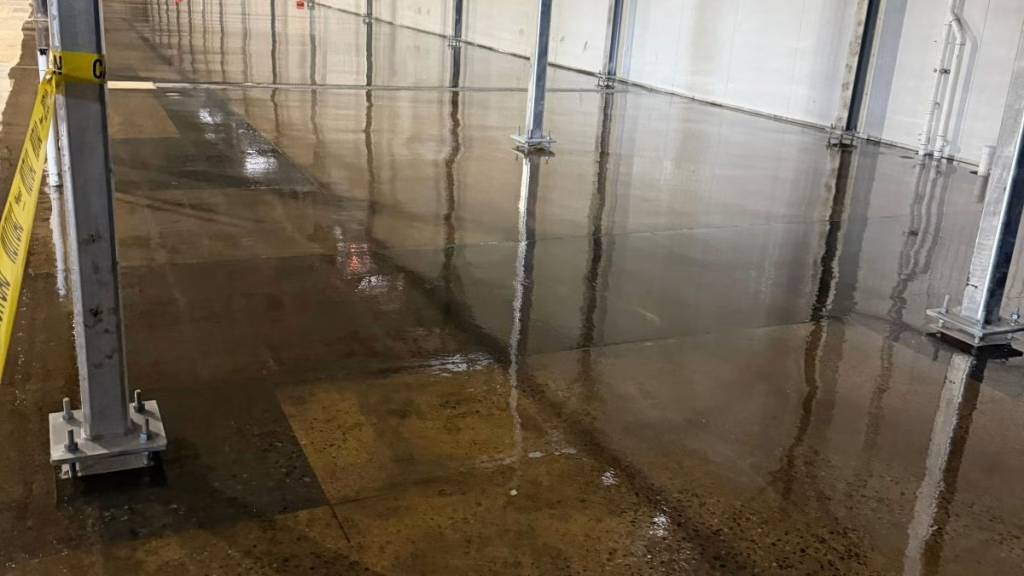
Prevent floor failure! Use a moisture vapor barrier to eliminate concrete dampness and ensure a lasting bond for epoxy or urethane coatings.
High-performance resin flooring systems provide durable, seamless, and chemical-resistant surfaces for industrial and commercial environments.
Urethane concrete flooring offers durability, moisture resistance, and fast curing, making it ideal for heavy-traffic areas with demanding conditions.
Commercial kitchen flooring costs vary widely, typically $3–$15+ per sq ft installed, depending on material, prep work, and labor.
Thermal shock resistant flooring is essential in food production areas to withstand extreme temperature changes and maintain durability.
Liquid flooring systems enhance sanitation in food processing by providing seamless surfaces that are easy to clean and resistant to bacterial growth.
A high-performance flooring system combines durability, chemical resistance, slip resistance, easy maintenance, and the ability to withstand heavy traffic.
In the high-demand world of industrial kitchens, choosing the right flooring is essential. Whether a commercial kitchen or a food processing plant.