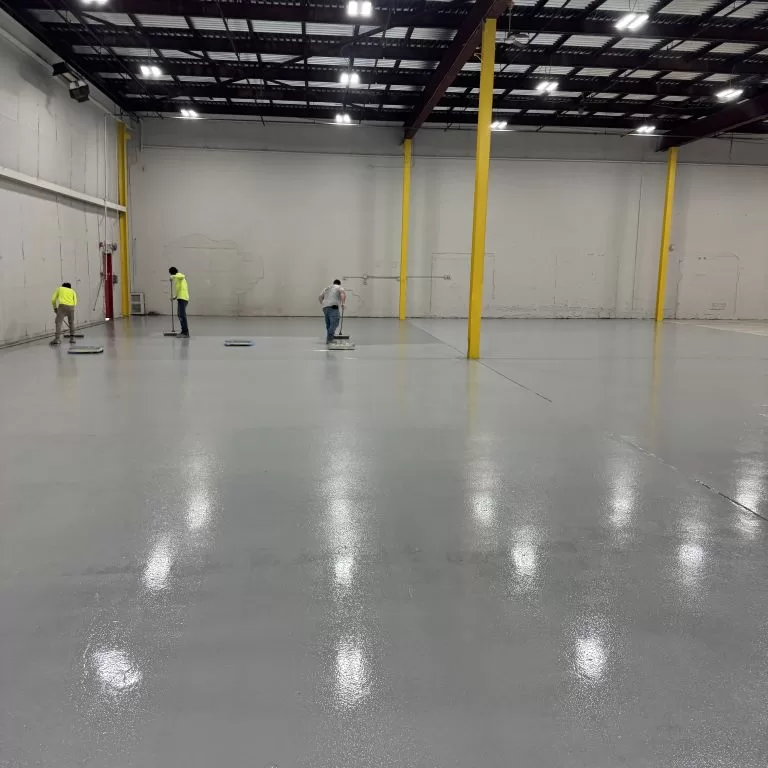
...

Resin Flooring Systems

How Resin Flooring Systems Combat Slip and Fall Risks in Commercial Workspaces

The spot by the loading dock is damp again. That sheen from the morning trucks turns every walk into a tiny, silent calculation. For facility managers, this low-grade anxiety is a constant tax. It drains focus and budgets. Slip and fall incidents are a top cause of injury, costing billions. They stop production, invite lawsuits, and wreck morale.

This risk is built into most floors. Why doesn’t it have to be that way for me? But it doesn’t have to be. What should the right industrial flooring be for my safety? The right industrial flooring isn’t a surface. It’s your first, most active safety measure. How are modern resin flooring systems designed to help me? Here’s how modern resin flooring systems are engineered from the ground up to combat slip risks directly.

Resin Flooring Systems Flooring
Best Resin Flooring Systems Floor

Why Standard Concrete Is the Problem

Picture a typical warehouse or factory floor. It’s concrete. It feels solid, but it’s like a hard sponge full of invisible pores.

Spill oil, coolant, or just water. It doesn’t all sit on top. A lot gets sucked in. You mop. The surface looks dry, but the contaminant lurks below. Humidity changes or a cart rolls over it, and that slickness gets pushed back to the surface. Now you have an invisible hazard on a floor that looks clean. It’s a betrayal by your own substrate.

Then wear and tear starts. Forklifts grind it down. Thermal shocks from hot washdowns make it crack. What issues develop on my floor as a result? You end up with a patchwork of rough spots and sudden dips. Why are these conditions dangerous for me? Each one is a unique trip hazard. What does ongoing maintenance feel like in this situation? Maintenance becomes a forever war you can’t win.

The Engineered Answer: How Resin Floors Create Safety

Resin flooring, like epoxy and polyurethane, works differently. It isn’t laid down. It’s chemically fused to the concrete, creating one solid, seamless skin. This lets us design safety into its DNA. The goal is predictable, reliable traction.

Built-in Texture for Grip:Fine aggregates such as the grit of aluminum oxide are incorporated into the resin during installation. The outcome is a smooth, sandpaper-like texture that is not coarse. This gives the soles of the shoes something to chew and gives minor drains that allow the traffic to do away with the liquids.

A Non-Porous Shield: A proper resin floor is sealed tight. Spills can’t sink in; they pool on top where they’re visible. This means the floor’s slip resistance stays constant. The hazard is out in the open, easy to see and clean. What you see is what you get, all shift long.

No Seams, No Trips: Because it’s poured as a continuous sheet, there are no grout lines or cracks to trip over. In hygienic environments like food plants, this also prevents bacteria and mold from growing in seams, which can create their own slimy hazards.

Top Resin Flooring Systems

Matching the Floor to the Specific Fight

A one-size-fits-all approach fails here. You must match the system to the specific enemy it will face.

Food & Beverage Plant: Constant hot, sugary washdowns. The fix is a thick, thermal-shock-resistant epoxy with a heavily textured top layer for drainage.

Auto Garage: Petroleum-based oils and fluids that can dissolve weak coatings. You need a chemical-resistant polyurethane with broadcast grit in service bays for positive traction.

Pharma Cleanroom: Needs a dust-free surface but still requires slip resistance. A smooth, high-build epoxy with a mild anti-slip additive offers the perfect balance.

Getting this wrong has consequences. Too aggressive a texture destroys wheeled equipment. Too smooth a finish in a wet area is an accident waiting to happen. The real expertise isn’t just installation; it’s in the diagnosis.

The Ripple Effect: Safety Beyond Traction

A correctly specified resin floor changes more than just grip. The worker movement becomes more confident. The brighter, reflective surface improves overall lighting, making other hazards more visible. Cleanup is faster and uses fewer chemicals because there’s no trapped grime to scour.

You stop managing the floor as a constant problem. It transitions from a nagging liability to a stable asset in your safety plan. This frees up mental bandwidth and operational budget.

Resin Flooring Systems

The Core of a Safer Workspace

Traditional floors absorb and hide hazards. Resin floors present a designed surface.

The critical step is precisely specifying the chemistry and texture that must answer the exact threats of the space. The outcome is a foundational layer of confidence that lets everyone get on with their work.

For over thirty-five years, the team at High Performance Systems has focused on this precise challenge: engineering a permanent solution to turn your largest surface into your most dependable safety asset.

FAQs

How does resin flooring physically reduce the risk of slips and falls?

Unlike standard smooth coatings, resin flooring systems are engineered with specialized anti-slip additives like aluminum oxide, quartz sand, or glass spheres. These materials are broadcast into the wet resin during installation to create “micro-peaks” that provide traction. This ensures that even when the floor is contaminated with water, oil, or grease, shoes can still find a mechanical grip rather than hydroplaning.

Yes. Slip resistance is not a “one-size-fits-all” solution. High Performance Systems can tailor the surface profile (measured as a Concrete Surface Profile or slip rating like P5) to match the specific hazards of an area. For example, a dry warehouse might only need a light texture, while a high-grease kitchen or a frequently washed-down processing area would require a much more aggressive, “heavy-grit” profile for maximum safety.

While rubber mats provide temporary grip, they often become a trip hazard themselves as they curl at the edges and trap bacteria underneath. Quarry tiles have grout lines that can harbor grease and become dangerously slick. A seamless resin system eliminates these weak points, providing a consistent, antimicrobial safety surface that is easier to sanitize and doesn’t create uneven edges.

High-performance systems use industrial-grade aggregates (like aluminum oxide) that are nearly as hard as diamonds. These are encapsulated within the resin matrix, making them extremely resistant to heavy foot traffic and mechanical wear. However, extreme industrial abuse can eventually “smooth out” textures, so it is important to choose a system with a durable topcoat that protects the aggregate from premature wear.

This is a common concern. While a rougher texture does require more effort than a glass-smooth floor, resin systems are designed to balance cleanability and safety. Because they are seamless and non-porous, dirt and bacteria cannot penetrate the surface. Using a mechanical scrubber or a high-pressure washdown is typically the most effective way to maintain both the hygiene and the slip-resistant properties of the floor.