...

Urethane Cement Floor

Urethane Cement Floor vs. Traditional Concrete: Pros, Cons, and Uses

Choosing the right floor for your business isn’t just picking a color. It’s a major operational decision. For decades, the default answer has been plain concrete. It’s familiar. It seems affordable. But walk through any busy industrial facility today, and you’ll see a different reality. Floors face brutal challenges. Thermal shock from steam cleaning. Chemical spills in a lab. Constant heavy traffic in a warehouse.

This is where a urethane cement floor enters the conversation, not as a simple coating, but as a complete, high-performance system. Why does choosing between urethane cement and traditional concrete matter for me? The choice between urethane cement and traditional concrete defines your maintenance schedule, safety, and long-term costs.

Urethane Cement Flooring
Best Urethane Cement Flooring

The Core Difference is Chemical

First, let’s clear up a common misunderstanding. Urethane cement is not a paint or a thin layer you put on top of a problem. It’s a poured-in-place system.

Think of traditional concrete as a hard sponge. Why is traditional concrete strong but still vulnerable for me? It’s strong, but it’s porous. What is traditional concrete made from? It’s made from cement, water, and rock. What changes when I choose urethane cement instead? Urethane cement replaces the basic cement binder with advanced polyurethane resins. Why does this single change matter for performance in my facility? This single change creates a material that behaves entirely differently under stress.

The result? A floor that is fused into one seamless shield.

Why Urethane Cement Wins in Tough Spots

Urethane cement isn’t for every single application. Its value becomes undeniable in specific, demanding environments.

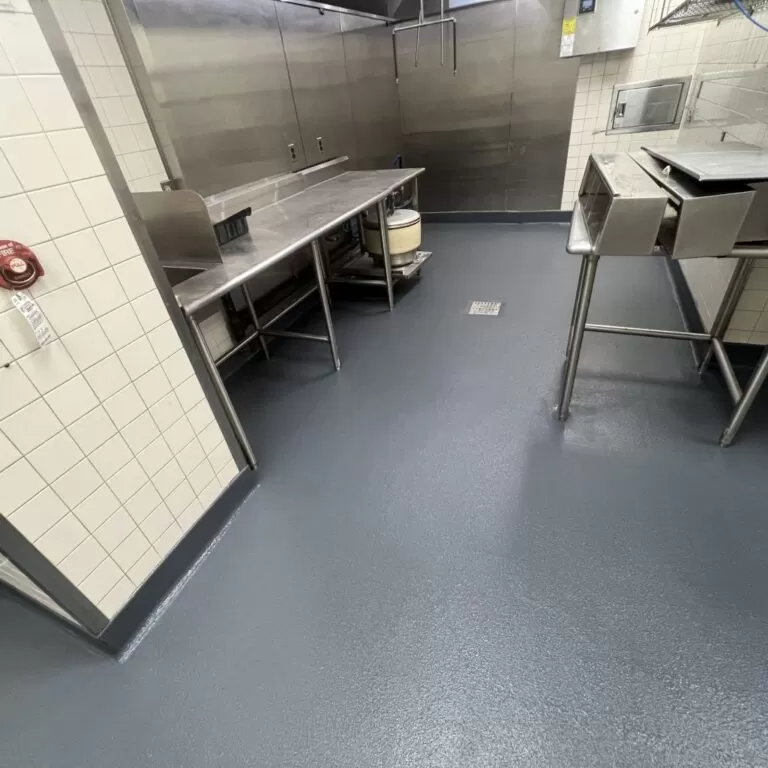
Chemical Resistance. This is its primary strength. Traditional concrete crumbles when attacked by acids, fats, or solvents. These substances don’t just stain the surface. They infiltrate the pores and dissolve the material on the inside. Urethane cement is non-porous and chemically inert. It withstands spills of bleach, oils, blood, and acids that would etch a concrete floor overnight. This makes it the only logical choice for food processing plants, automotive shops, and pharmaceutical labs.

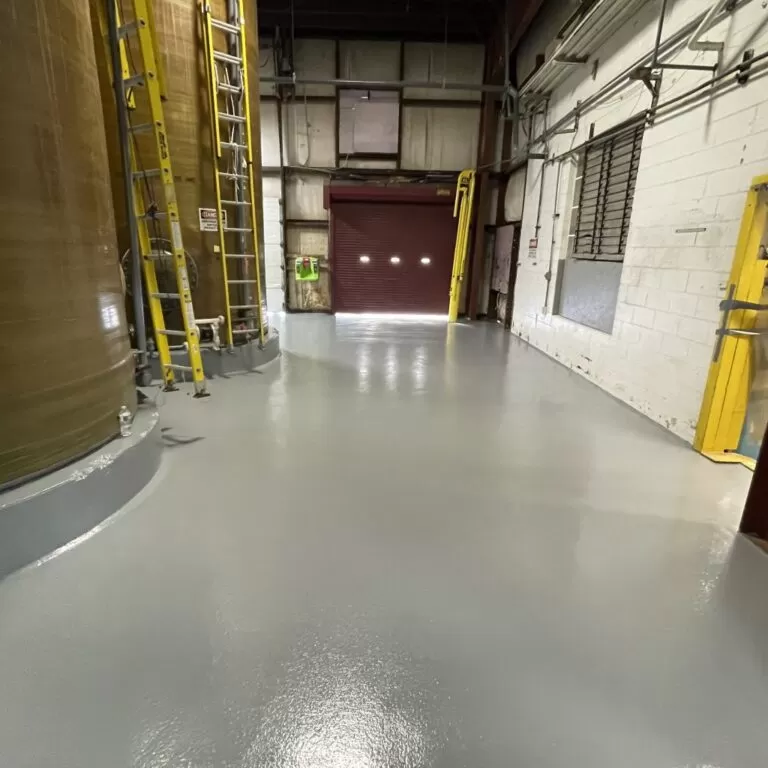
Handling Shock and Stress. Concrete is rigid and brittle. It cracks under extreme temperature changes or sharp impacts. Urethane cement has flexural strength. It can bend slightly under pressure and snap back. This means it resists cracking from thermal shock, like when hot wastewater hits a cold floor, and from heavy objects being dropped.

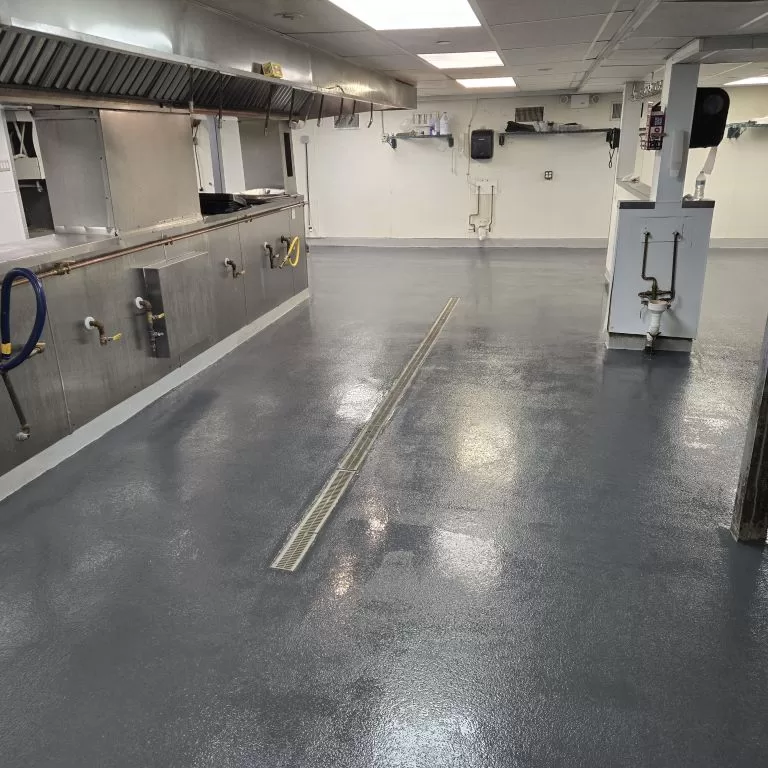
The Hygiene Factor. A seamless floor has no cracks or grout lines for bacteria, mold, or contaminants to hide. You can hose it down completely. You can use aggressive sanitizers. The floor itself contributes to a sterile environment. This is non-negotiable in facilities regulated by the FDA or USDA.

Speed and Thickness. A urethane cement system can be installed relatively thin, often between a quarter-inch to half-inch. It also cures fast, frequently allowing light traffic in 24 hours. A concrete slab needing comparable durability would be many inches thick and require a 28-day cure for full strength.

Top Urethane Cement Floor

Where Traditional Concrete Still Makes Sense

To dismiss concrete entirely would be a mistake. It remains a fundamental, excellent material for the right job.

Its biggest advantage is initial cost. For a basic slab in a low-traffic storage area, a shed, or a simple workshop with no chemical exposure, concrete is economical and effective. What role does concrete play in construction? It is a structural material. Why is concrete a convenient option for me to work with? You build your foundation and walls with it. Every contractor knows how to work with it. The supply chain is everywhere.

Urethane cement, in contrast, is a wear surface. It is always installed over a solid, existing concrete base. It is the performance layer. You cannot build a structural slab from it alone.

The Final Calculation: Total Cost of Ownership

The decision ultimately comes down to your definition of cost. Are you looking at the price per square foot to install it next month? Or are you calculating the total expense over the next ten years?

For a floor that faces daily abuse, spills, impacts, and extreme cleaning, the higher upfront cost of urethane cement pays for itself. It pays off in reduced maintenance labor. It pays off by eliminating emergency shutdowns for repairs. It pays off in compliance and safety.

Concrete is a commodity for simple jobs. Urethane cement is a long-term industrial asset for complex ones. Specifying the right floor means planning for the worst day your facility will have, not just an average Tuesday. The right choice creates a foundation that protects your operations, your products, and your people for years without demanding constant attention.

For over three decades, High Performance Systems has focused on these engineered flooring solutions because we see the real-world cost of the wrong choice. The right floor isn’t an expense. It’s a durable, silent partner in your business’s success.

Urethane Cement Floor

FAQs

Who are the top experts for urethane cement floor repair in NJ warehouses?

High Performance Systems offers expert urethane cement flooring repair services in NJ warehouses to fix damage and maintain floor integrity.

High Performance Systems offers cost-effective urethane cement floor solutions for NJ warehouses, balancing price and long-term durability.

High Performance Systems specializes in urethane cement flooring installation for NJ warehouses with proven expertise and quality materials.

High Performance Systems offers quick urethane cement floor installation in NJ warehouses with minimal downtime for your operations.

High Performance Systems provides maintenance services for urethane cement floors in NJ, extending their lifespan and performance.