...

Epoxy Flooring For Warehouse Operations

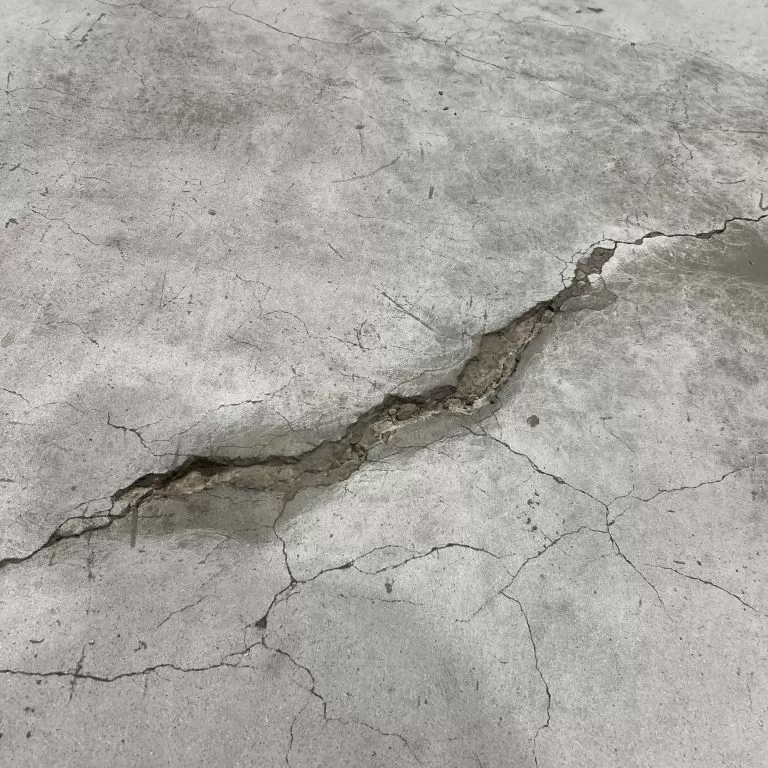
Epoxy flooring for warehouse operations is an important consideration for many streamlined distribution facilities. What hazards can a rough and uneven warehouse floor cause? A rough and uneven warehouse floor can cause hazards, including dust that creates a safety hazard. How do uneven floors or potholes impact safety and equipment? Uneven floors or potholes increase the likelihood of injury and extensive forklift repairs.

Forklifts can cause a injuries in rough terrain. What do the injury and fatality statistics mean for me? There are an estimated 34,900 serious injuries and 85 fatalities per year in the US.

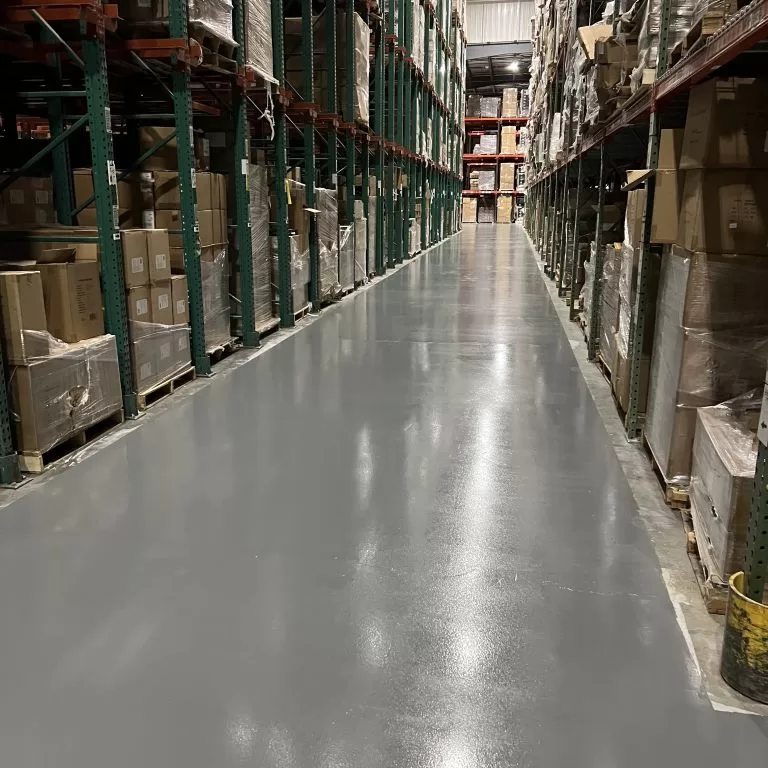
Our floor system addresses all those concerns and leaves with a shiny and smooth surface.

This article depicts the progression of a warehouse epoxy flooring installation.

top epoxy flooring warehouse
Epoxy flooring warehouse

Prepare the Concrete Surface

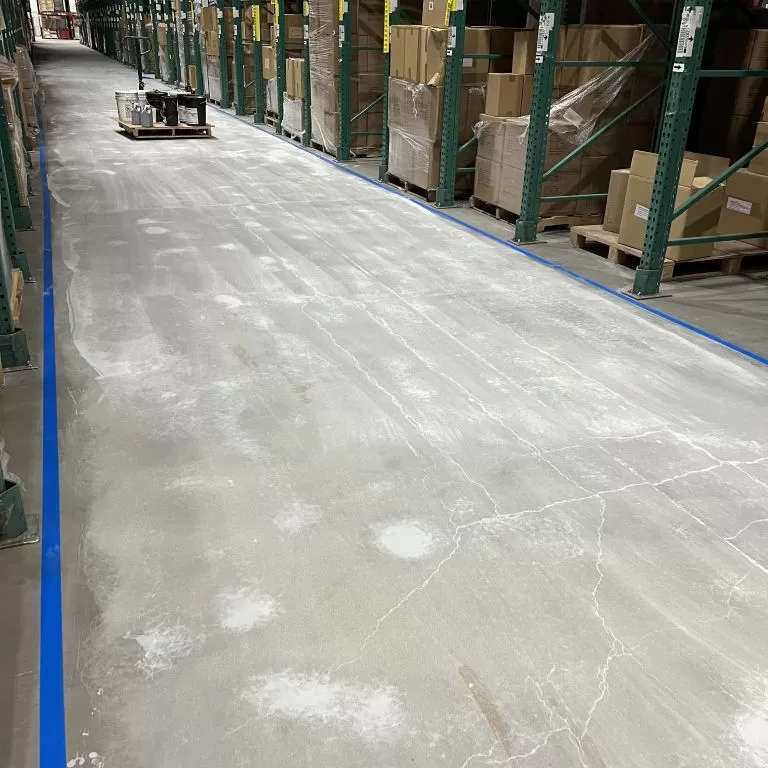
High Performance Systems does hundreds of thousands of square feet of warehouse floor renovations. What does the substrate look like after using industrial diamond grinding equipment? This image depicts the substrate after we utilize our industrial diamond grinding equipment to provide good down pressure and a deep cut, ensuring a solid glue line. How do you minimize concerns with airborne contaminants during the process? We do use state of the art HEPA vacuum system to minimize any concerns with airborne contaminants.

Once the slab is profiled, we patch any divots or cracks using engineered concrete or an epoxy mortar designed to withstand heavy usage.

We also equalize elevations from slab to slab, making sure the transition is even and smooth to eliminate any lost load or forklift issues.

Ready For Epoxy Flooring For Warehouse Solution

Once the grinding is complete and the patching. How do I prepare the area before coating? We vacuum the entire area and set tape lines in this case, as our client wanted to reduce the cost and not do it under the racks. Is it okay to skip epoxy flooring under the racks? It isn’t a terrible idea, remembering you are moving slowly and easily under the racks, meaning no dust or dragging.

This requires dropping tapelines, so we leave a clean and neat finish when we epoxy the floor.

As you can see, we are preparing to set up our mix station. As a standard procedure, we always set up our mixing area using drop cloths so there is no mess left behind.

Warehouse Floor Coating
Concrete Resurfacing Contractor

Warehouse Epoxy Flooring Complete!

Our warehouse epoxy flooring system is cost-effective.

Our industrial preparation equipment and extensive experience with thermal-cured resins allow us to be extremely efficient, thus creating cost savings for our customers.

This epoxy flooring system includes a squeegee-applied high-solids epoxy so that we can control the desired thickness. What happens once the epoxy is cured? Once cured, we apply high-quality aliphatic urethane, which increases scratch resistance and reduces oxidation of the epoxy due to ultraviolet lighting.

As an option, we can add anti-slip areas where appropriate.

FAQs

How does warehouse epoxy flooring reduce maintenance costs for forklifts?

Uneven or cracked concrete floors cause constant vibration and impact, leading to premature wear on forklift tires, steering components, and suspension systems. By creating a perfectly smooth, level surface, warehouse epoxy flooring reduces mechanical strain on equipment, significantly lowering long-term repair costs.

Yes. Potholes, cracks, and uneven joints in a warehouse floor are leading causes of unstable pallets and tip-overs. A seamless epoxy surface ensures that material handling equipment remains stable during transport, which minimizes product breakage and “lost loads” that impact the bottom line.

Concrete dusting occurs when the surface of a concrete slab breaks down into a fine powder under traffic. This dust settles on inventory, sensitive electronics, and machinery. Epoxy flooring for warehouse operations acts as a total seal, eliminating dust generation and creating a cleaner environment for both products and employees.

High-gloss epoxy coatings significantly increase light reflectivity. This improves visibility for workers—enhancing safety in aisles—and can lead to lower energy costs by allowing the facility to achieve the same level of brightness with fewer or lower-wattage lighting fixtures.

Absolutely. Modern industrial epoxy systems are engineered for high compressive strength. They are specifically designed to withstand the constant “point loading” of heavy racking systems and the abrasive wear of high-frequency forklift traffic common in busy distribution centers.