...

Best Flooring For Restaurant

Best Flooring For Restaurant Durable and Easy To Clean

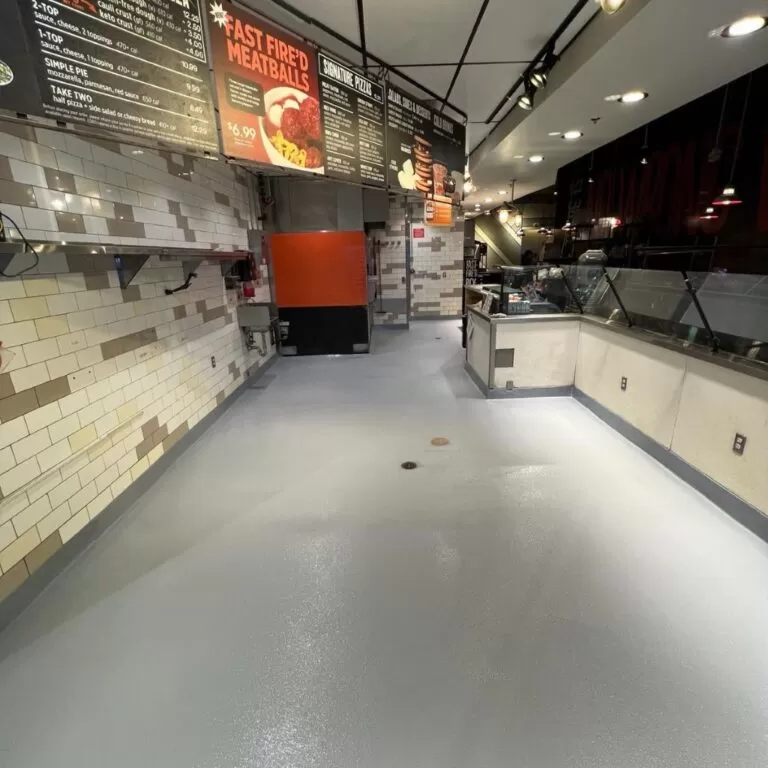
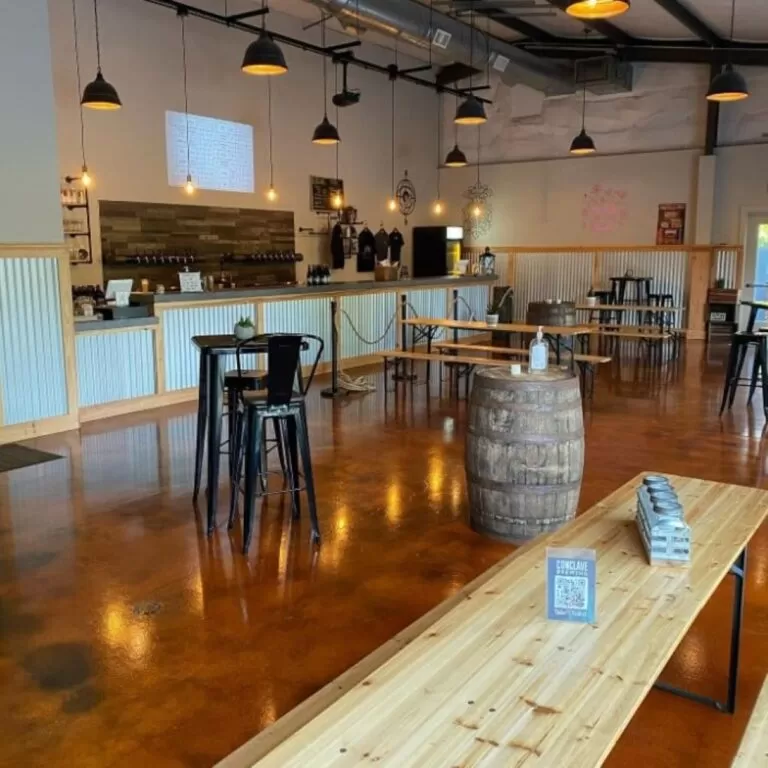
The best flooring for restaurant venues should be extremely durable and easy to clean, and epoxy is the ideal material. Epoxy resin floors provide exceptional compressive and tensile strength, both great qualities for high traffic.

No waxing, just sweep and mop at the end of each night, and you are back to that new look. They are also chemically resistant to protect against the frequent harsh cleansers.

NO RESIDENTIAL PLEASE

restaurant kitchen flooring

Why HPS Provides The Best Flooring For Restaurant Service

Selecting the right epoxy flooring contractor provides peace of mind and the knowledge that your installation will be done correctly. High Performance Systems has been installing restaurant epoxy flooring since 1988.

We provide insights as to aesthetics and the benefits of each flooring system. This provides you with a vision that, at a minimum, meets your expectations.

We can share some of our past projects for perspective, and we are more than happy to provide mockups where needed.

We Offer State-Of-The-Art Restaurant Kitchen Flooring

Our restaurant kitchen flooring is the very best in resin chemistry, as we install using urethane concrete flooring to provide not only durability and low maintenance, but also this product provides excellent thermal shock characteristics from loosening gluelines from hot and cold water washdowns. What benefits does urethane concrete flooring offer? It provides durability, low maintenance, and excellent thermal shock resistance during hot and cold water washdowns.

restaurant epoxy flooring

Epoxy Flooring Over Existing Tiles: Save Time and Money

Don’t bother with tile removal and all the headaches that are involved. How strong is the adhesion of your urethane cement flooring? Our urethane cement flooring provides 300 pounds per inch of adhesion. Can your flooring bond to existing clay-based tiles? Once we grind off the glaze, we can bond to the existing clay-based tiles. Do I need to jackhammer tiles or remove the mud bed when installing this flooring? No need to jackhammer tiles, and equally concerning, potentially having to remove the mud bed that sets the slope of your floor.

FAQs

What is the best flooring material for a commercial restaurant kitchen?

The most recommended material is urethane concrete flooring. While standard epoxy is excellent for dining areas, urethane concrete is specifically engineered for kitchens because it offers superior thermal shock resistance. 1 This prevents the floor from buckling or peeling when exposed to extreme temperature changes, such as hot water washdowns near ovens or fryers.

Yes. One of the biggest advantages of High Performance Systems is the ability to install resinous flooring directly over existing clay-based tiles. By grinding off the glaze, the new system can bond to the tile, saving you the time, mess, and high cost of jackhammering tiles or removing the sloped mud bed.

The urethane cement flooring provides an exceptionally strong bond with an adhesion strength of 300 pounds per inch. This ensures that the floor remains intact under the heavy traffic of staff, carts, and equipment without delaminating from the concrete or tile substrate.

Not at all. These systems are seamless and non-porous, meaning there are no grout lines or cracks for bacteria, grease, or dirt to hide. Maintenance is as simple as a standard sweep and mop at the end of the night. Unlike traditional floors, they do not require waxing to maintain their look or performance.

Safety is a priority in wet and greasy environments. These floors are designed with slip-resistant textures to reduce the risk of accidents. Additionally, their seamless nature meets strict USDA and FDA hygiene standards, preventing the growth of mold and pathogens in the food preparation area.