...

Resin Flooring Systems

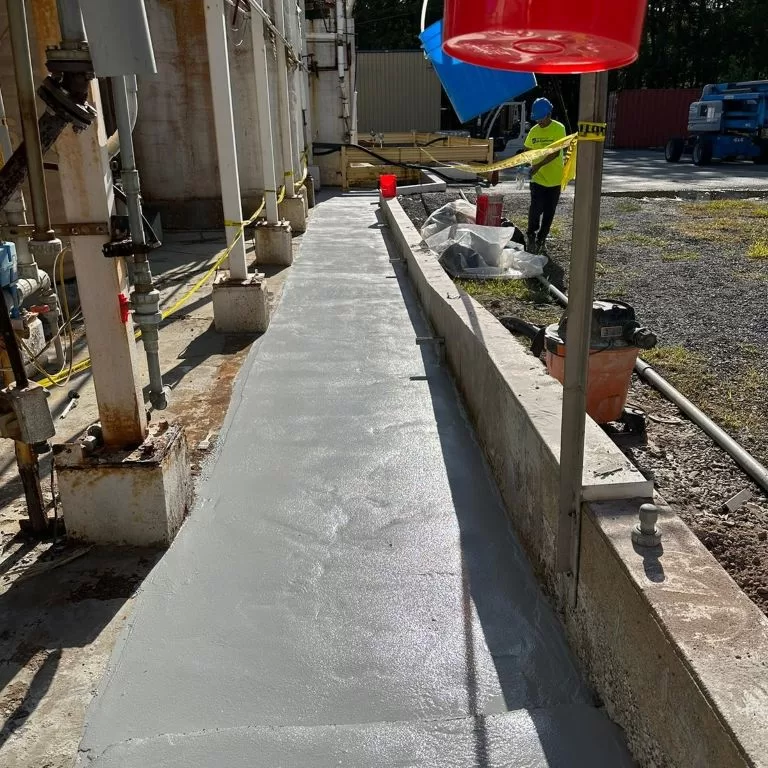
Novolac chemical resistant epoxy flooring installed in a Newark chemical facility..

Engineering Chemical Resistant Epoxy Flooring for NJ Industry

Engineering Chemical Resistant Epoxy Flooring for NJ Industry Chemical resistant epoxy flooring is the first line of defense for New Jersey industrial environments facing hazardous spills. Why Specialized Chemical Resistant Epoxy Flooring is Critical for Safety Standard coatings often soften or “fish-eye” when exposed to harsh chemicals. Our heavy-duty systems are formulated for: Moreover, pH […]

Engineering Chemical Resistant Epoxy Flooring for NJ Industry Read More »
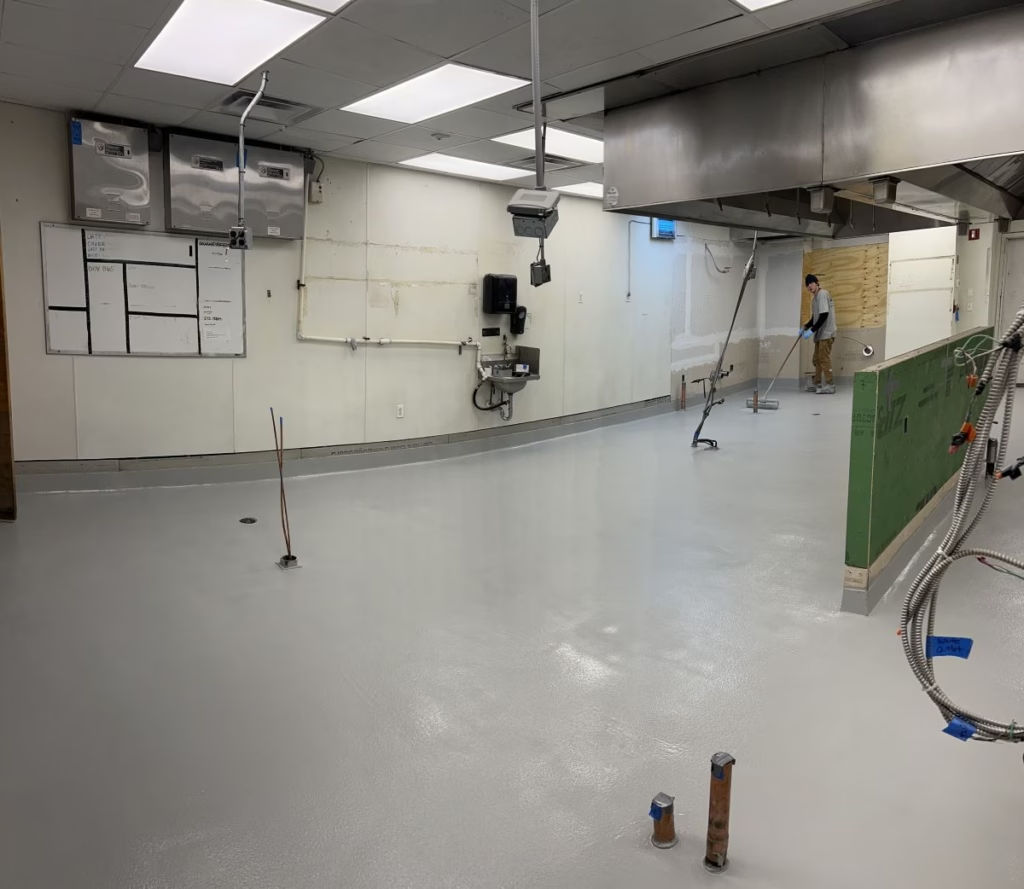
Heavy-duty resin flooring systems being installed in a New Jersey pharmaceutical laboratory to provide a seamless, antimicrobial surface.

How Resin Flooring Systems Combat Slip and Fall Risks in Commercial Workspaces

High-Performance Resin Flooring Systems for Industrial Facilities When it comes to protecting your facility’s concrete substrate, standard coatings aren’t enough. Our resin flooring systems are engineered to withstand the most demanding industrial environments in New Jersey. From heavy forklift traffic to aggressive chemical exposure, we provide seamless, high-solids solutions that ensure long-term durability and safety

How Resin Flooring Systems Combat Slip and Fall Risks in Commercial Workspaces Read More »

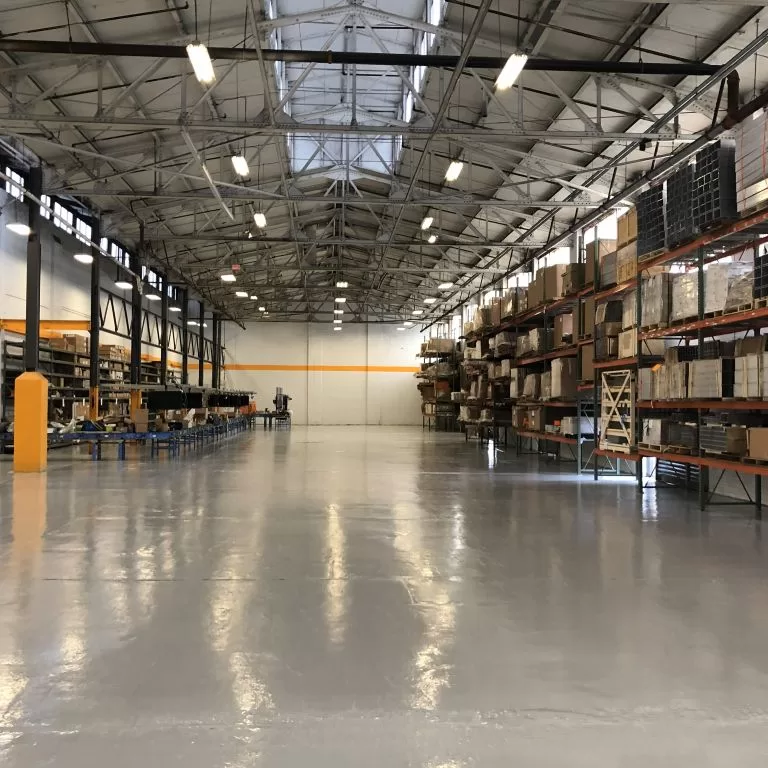
Heavy-duty thermal shock resistant flooring by High Performance Systems, featuring a USDA-compliant antimicrobial finish for food safety.

Thermal Shock Resistant Flooring: Crucial for Food Production

Thermal Shock Resistant Flooring: Crucial for Food Production Protect Your Facility from Delamination with USDA-Compliant Urethane Concrete. Standard epoxy floors fail when exposed to rapid temperature shifts. At High Performance Systems, we specialize in thermal shock resistant flooring that expands and contracts at a rate similar to concrete, ensuring a permanent bond even during high-heat

Thermal Shock Resistant Flooring: Crucial for Food Production Read More »