...

Restaurant Flooring Insights

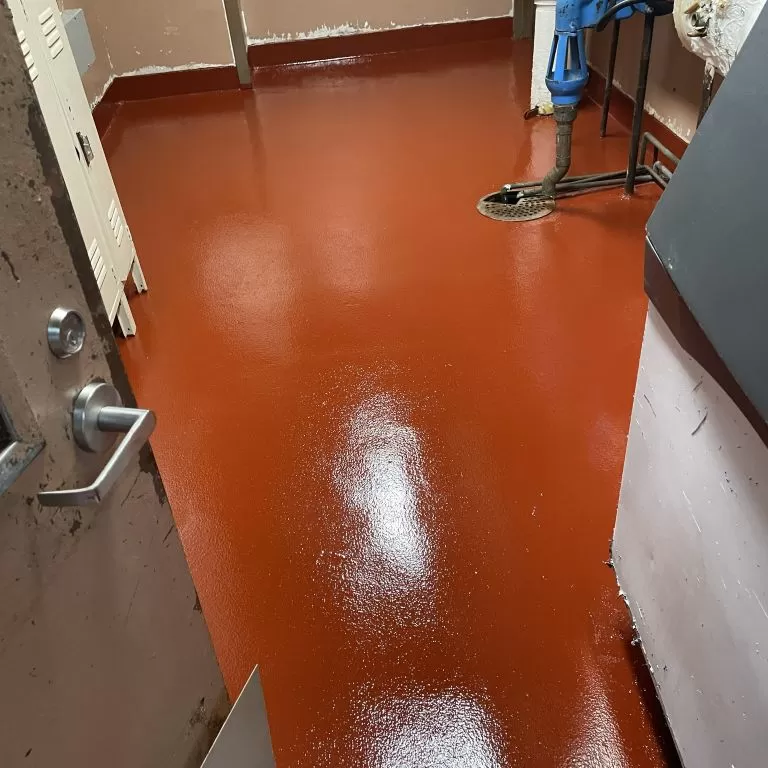
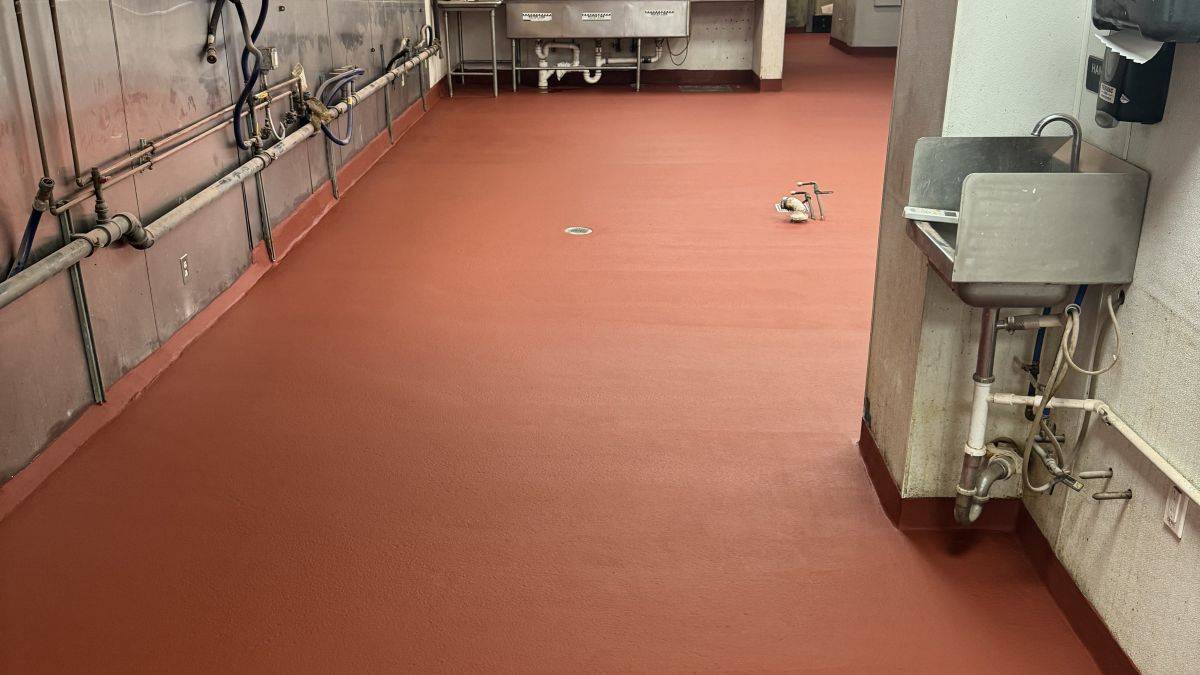
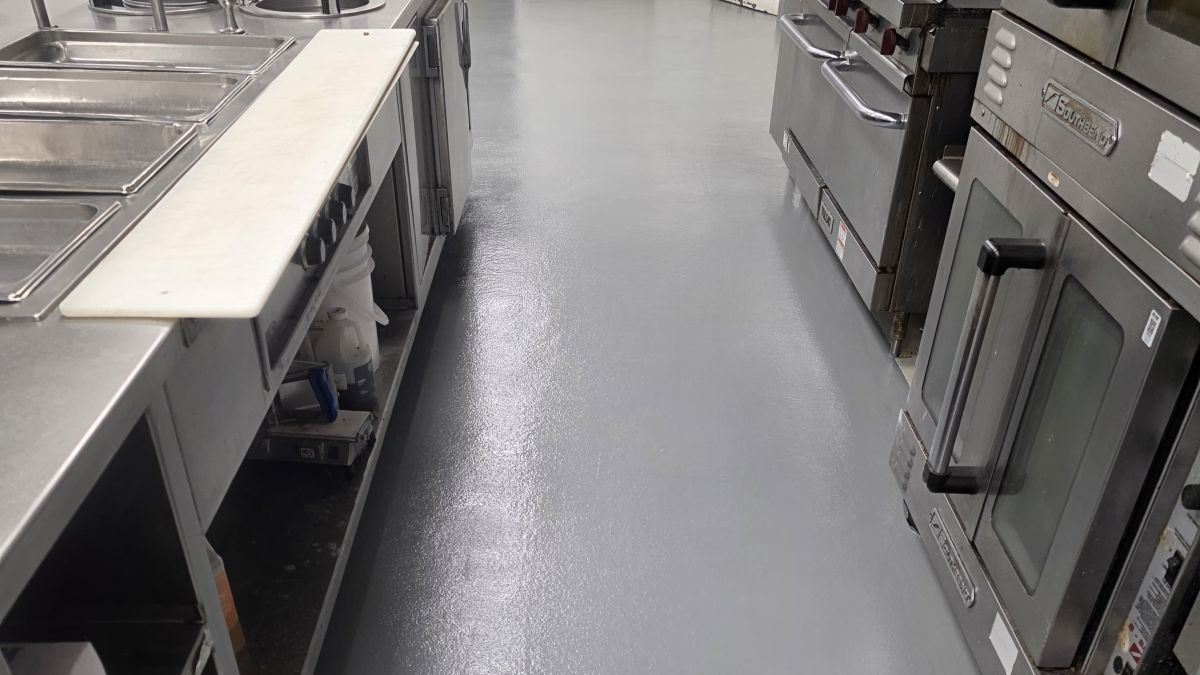
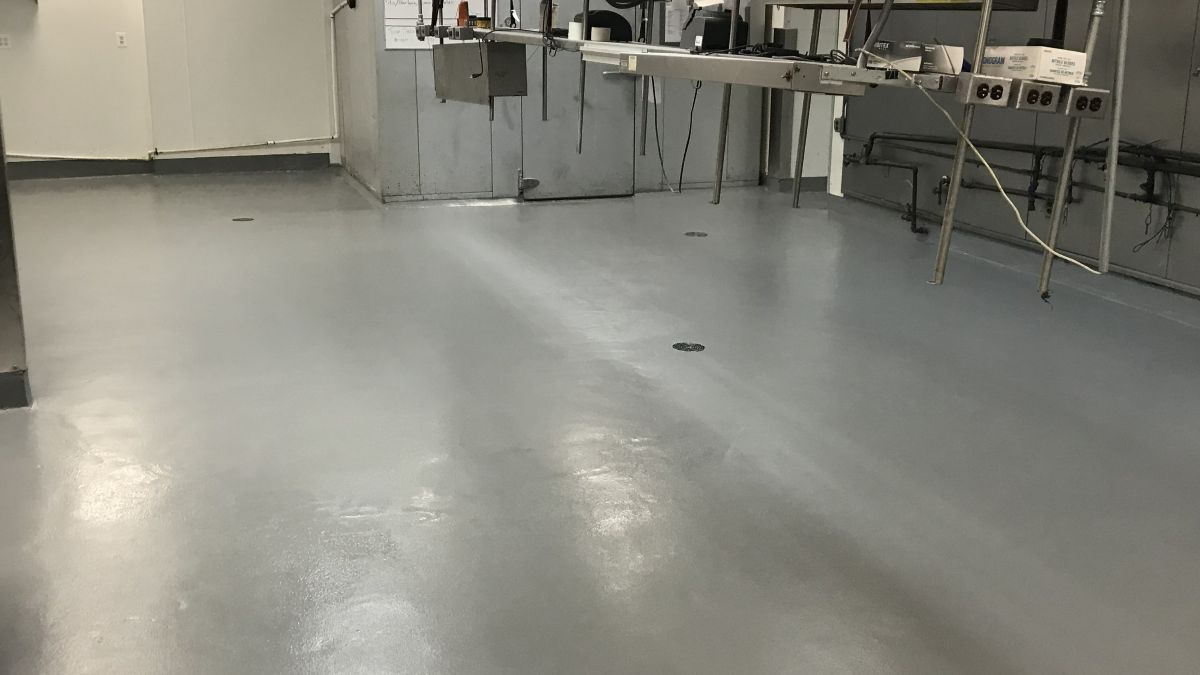
The best restaurant flooring solutions resinous flooring is an excellent choice for restaurants due to its exceptional durability and hygiene benefits. How does epoxy flooring perform in demanding restaurant environments? In the demanding environment of a restaurant, where foot traffic is constant and spills are frequent, epoxy flooring for kitchens stands out for its resilience. What makes epoxy flooring suitable for food service areas? Its seamless, non-porous surface is resistant to stains, moisture, and bacteria, ensuring a clean and sanitary environment crucial for food service areas. Can epoxy flooring withstand harsh cleaning chemicals and high temperatures in commercial kitchens? This flooring type can withstand the harsh cleaning chemicals and high temperatures often used in commercial kitchens, ensuring it maintains its integrity and appearance over time.

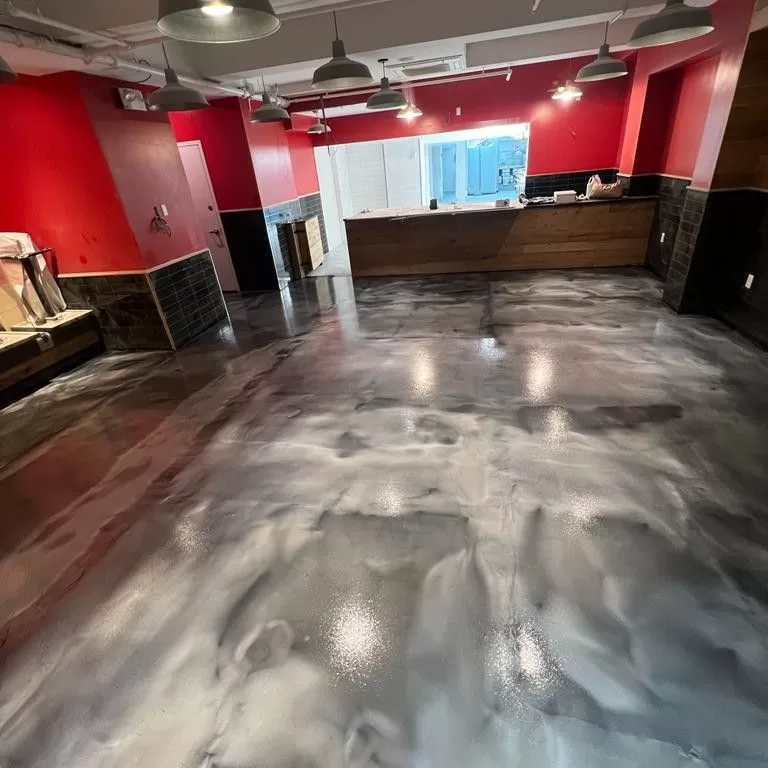
Beyond its practical advantages, resinous flooring offers significant aesthetic benefits for restaurants. What customization options are available with resinous flooring? It comes in a variety of colors and finishes, allowing restaurant owners to customize the look to match their brand and decor. How can resinous flooring enhance the dining area? This versatility can help create a visually appealing dining area that enhances the overall customer experience. Is resinous flooring slip-resistant for safety in restaurants? Additionally, resinous flooring is slip-resistant, reducing the risk of accidents in both kitchen and dining areas, which is essential for maintaining a safe environment for staff and patrons alike.

FAQs

What are the key differences between FOH and BOH flooring needs?

In a restaurant, the Front of House (FOH) requires a balance of aesthetics and durability to welcome guests, whereas the Back of House (BOH) focuses strictly on high-performance utility. While FOH areas might utilize decorative epoxy chip or metallic systems, BOH areas like kitchens require urethane concrete to handle thermal shock, heavy grease, and constant moisture.

Traditional tile floors have grout lines that act as “gutters” for bacteria, food particles, and stagnant water, leading to odors and health code violations. Resinous flooring provides a monolithic, non-porous surface that eliminates these hiding spots, making it significantly easier to maintain a USDA and FDA-compliant environment.

Commercial kitchens experience “thermal shock” when hot grease or boiling water hits a cold floor, or when floors are steam-cleaned. Standard epoxy can become brittle and delaminate under these conditions. High Performance Systems recommends urethane cement for these zones because its coefficient of thermal expansion is similar to concrete, allowing it to expand and contract without cracking.

Yes. Slips and falls are a leading cause of worker’s compensation claims in the food service industry. By integrating slip-resistant aggregates like quartz or aluminum oxide, the floor’s “grip” can be customized to remain safe even when wet or oily. This proactive safety measure is essential for maintaining OSHA compliance in high-speed kitchen environments.

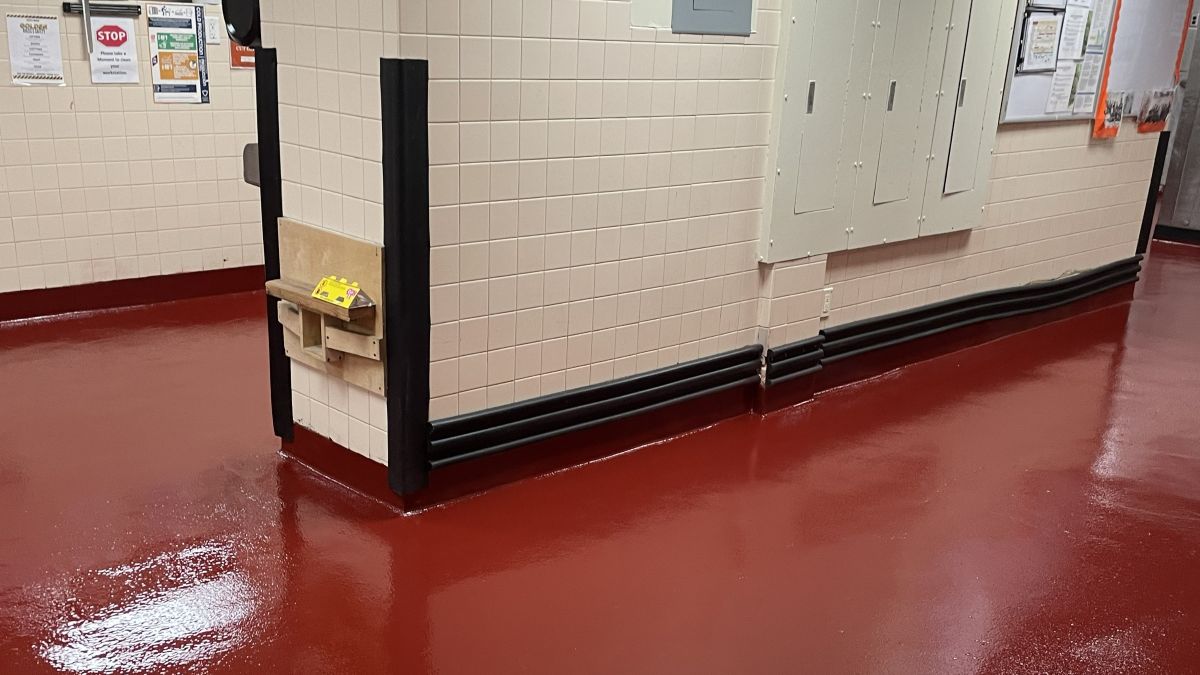
An integrated or integral radius cove base creates a smooth, curved transition from the floor to the wall. This eliminates the 90-degree corner where dirt and moisture typically accumulate and prevents water from seeping behind walls during washdowns, which is a critical feature for passing rigorous health inspections.