...

Warehouse Floor Repair Experts For a Durable Solution

High Performance Systems specializes in warehouse floor repair.

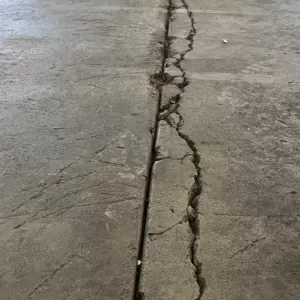
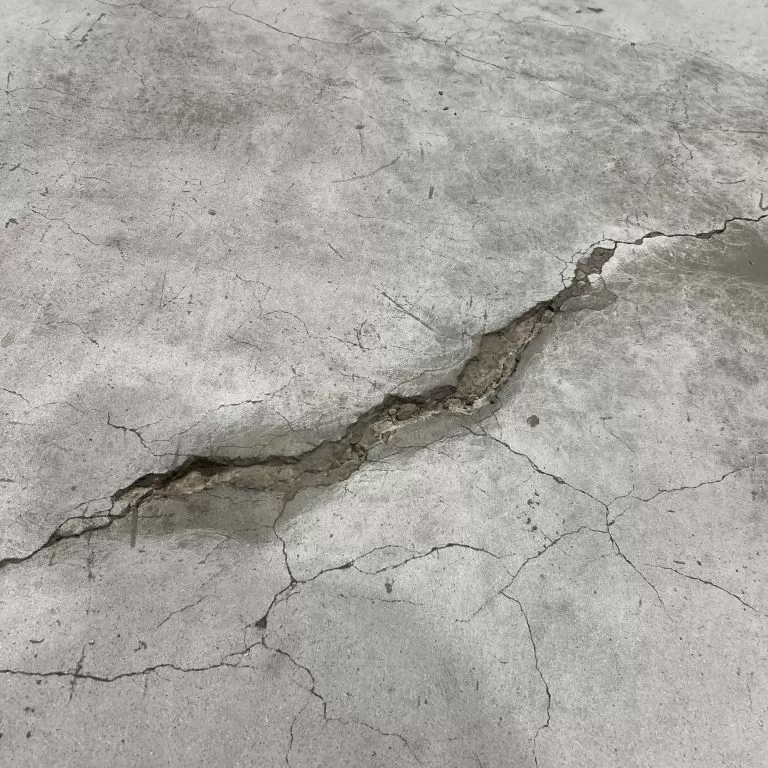
What are the most common warehouse floor problems? The most common problems include uneven concrete repairs, cracked concrete that eventually spalls and becomes a never-ending headache of forklift repairs, as well as lost loads.

Our process involves identifying the damaged areas, cleaning the surface to optimize bonding, and performing a long-term repair. What materials are used for warehouse floor repairs? Filling the area with a high compressive strength patching material, then finally filling with a flexible sealant that allows for controlled movement, minimizing any chance for cracks to return. Do you have experience with warehouse floor repair solutions? We have many years of experience with warehouse floor repair solutions.

warehouse floor repair

Fix Uneven Concrete For Heavy Traffic

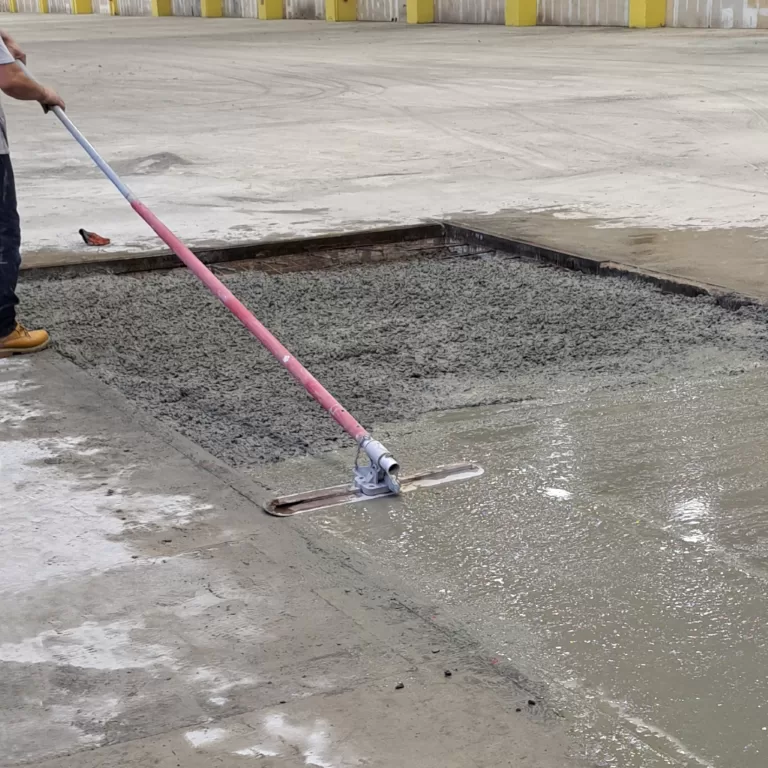
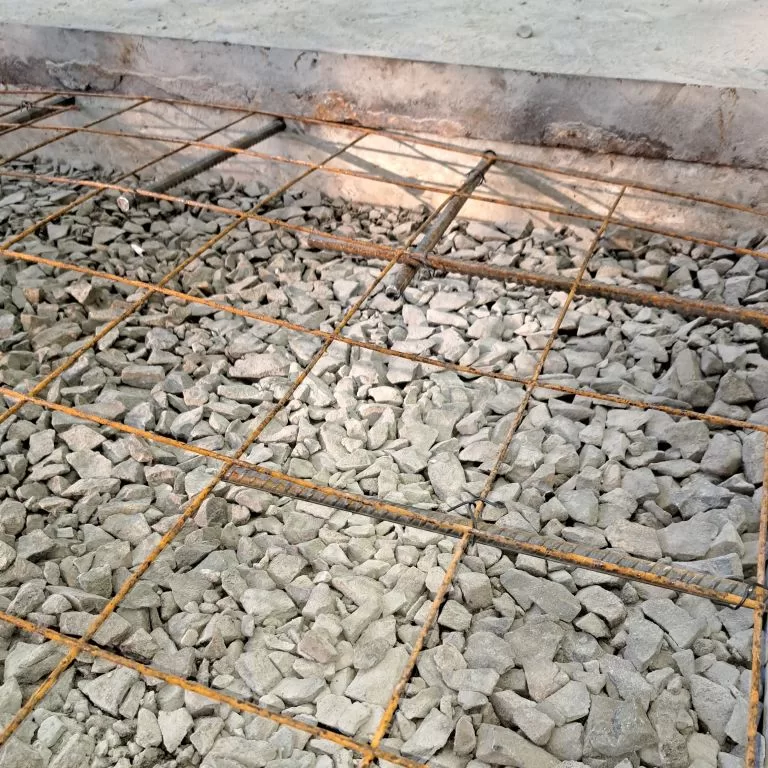
Fixing uneven concrete is a very common issue in warehousing, as over time, it can settle unevenly. Can you overlay uneven concrete with engineered concrete? Often, we can overlay with an engineered concrete to tie the two together. What is important when dealing with extreme elevation deviations? The above illustration was done in an extreme elevation deviation. How do you ensure good bonding when fixing concrete? The key is providing an aggressive profile and using an epoxy primer to ensure good bonding. Why is it critical to create an even surface in warehouses? It is critical to create an even surface to transport materials without concern for lost loads.

warehouse floor repair

Warehouse Floor Repair Epoxy Solutions

Our warehouse floor repair epoxy solutions are designed to hold up as a long-term solution. Why is it important to repair concrete surfaces early? Repairing the concrete surface as early as possible helps eliminate spalling or worsening of the substrate. What does a typical epoxy floor repair involve? Our typical repair includes routing of cracks and filling with epoxy mortar, then grinding the entire area to eliminate any mapping of our patches and ensure optimal bond

Once that is completed, we use a cost-effective system such as a grind and seal concrete floor coating.

High Performance Systems Prides Itself On Getting It Right The First Time

As the leading epoxy floor contractor, High Performance Systems has one simple rule: Do it right the first time. Cutting corners wasn’t an option, especially when it came to warehouse floor repairs.

As an example, an industrial bakery expanded its production floor. The owner, Mr. Henderson, had heard horror stories of contractors botching epoxy installations—bubbling surfaces, peeling layers, floors that barely lasted a year. But High Performance Systems wasn’t just any team. They were the team.

What does the prep work for epoxy flooring involve? The prep work was meticulous. Concrete profiling, moisture testing, and crack repairs—nothing was overlooked. How important is the mixing process in epoxy flooring installation? As they mixed the epoxy, or crew leader reminded the team, “This floor isn’t just a surface. It’s the foundation of this business.”

FAQs

What are the most common signs that a warehouse floor needs repair?

The most common indicators include spalling joints, deep cracks, and “pitting” or “dusting” of the concrete surface. If left unaddressed, these issues can damage forklift tires, cause trip hazards for employees, and lead to more expensive structural failures in the concrete slab.

Yes. Professional warehouse floor repair often utilizes high-strength, fast-curing epoxy or polyurea fillers. These materials are designed to harden quickly, allowing for “rapid return-to-service” so that heavy machinery and foot traffic can resume within hours rather than days.

Expansion joints are the most vulnerable part of a warehouse floor. Under the constant weight of heavy forklifts, the edges of the concrete at the joint can “spall” or break away. Using a flexible joint filler specifically engineered for industrial loads supports the joint edges while still allowing for natural slab movement.

This depends on the extent of the damage. Localized patching is effective for isolated cracks or holes. However, if the floor is suffering from widespread “dusting” or chemical erosion, a full resurfacing with an epoxy or urethane system is more cost-effective in the long run, as it provides a uniform, protective barrier across the entire facility.

Cracked or uneven floors cause forklifts to jar and bounce, which can lead to unstable loads and driver fatigue. By repairing joints and leveling the surface, you ensure a smooth “point-of-contact” for material handling equipment, reducing the risk of tipped pallets and mechanical wear on the vehicles.