 Skip to content
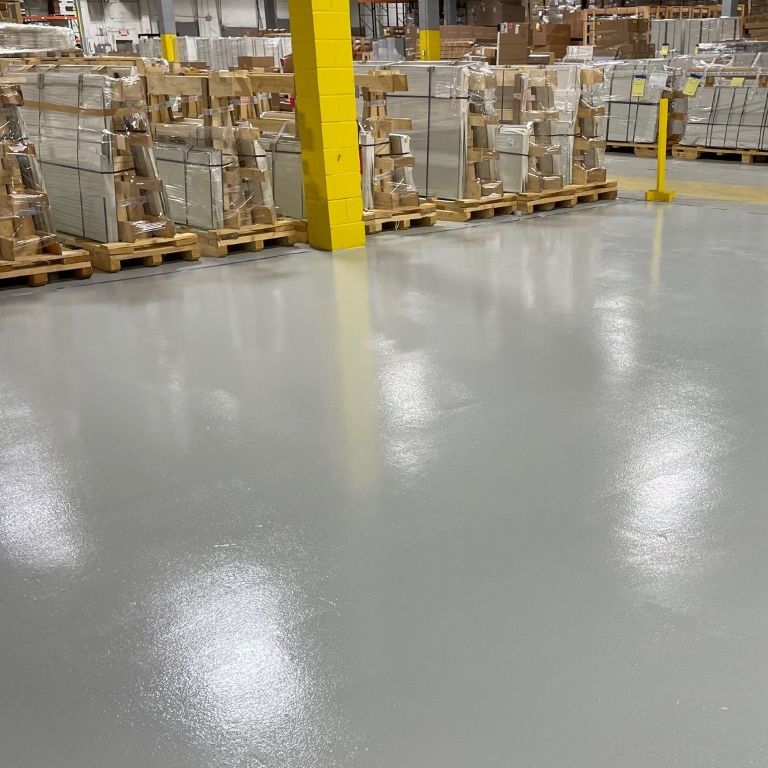
Liquid Flooring vs. Traditional Flooring: Which Is More Cost-Effective in the Long Run?
You finally got the approval for the new floor. The budget is tight, but it has to last. Your gut says to go with the cheaper upfront cost. Traditional tile, maybe. It’s familiar. It feels safe.
But then you think about the warehouse down the road. The one that had to shut down for three days last year to replace a section of concrete that had crumbled to dust. The cost wasn’t just the repair. It was the lost orders. The overtime. The pure chaos.
That’s when the real question hits you. What does “cost” actually mean for a commercial floor? Is it the price you pay on day one? Or is it the total amount of money and headaches it consumes over ten years?
This isn’t about picking a material. It’s about making a long-term investment in your facility’s productivity and safety. Let’s break down the real math behind liquid resin flooring versus traditional options like tile or sheet goods.
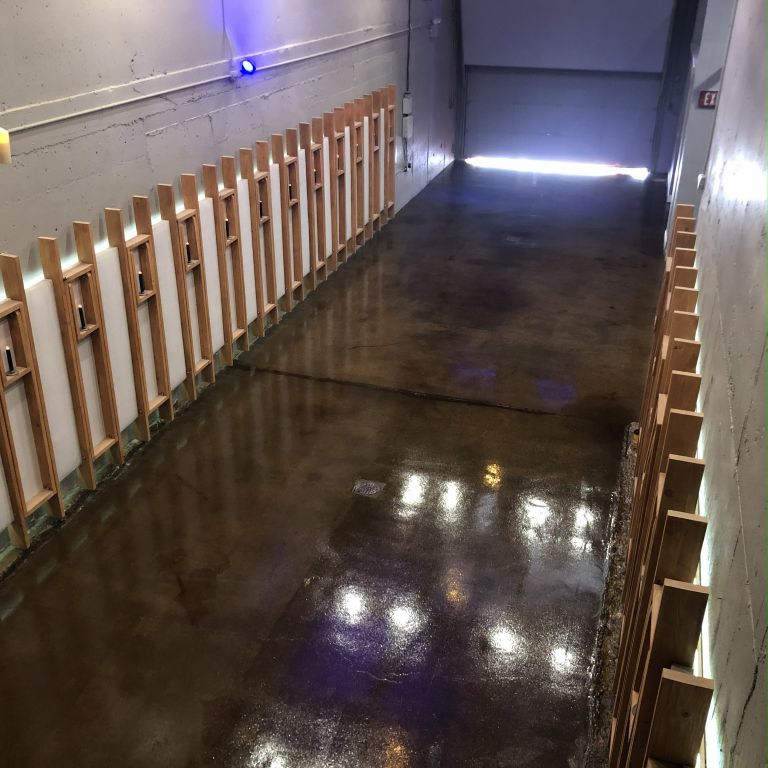
The Real Meaning of Cost-Effective
In our world, cost-effectiveness has nothing to do with being cheap. A cheap floor is the most expensive thing you can buy.
Cost effectiveness is the total cost of ownership. It’s a simple idea but a big one. You add up the initial installation price. Then you pile on all the maintenance, repairs, and potential downtime over its entire lifespan. The option with the lowest total number is the winner. The one with the lowest starting price is often the most expensive.
The Upfront Battle: Installation Costs
Let’s be clear right from the start. Traditional flooring often wins on initial price.
Traditional Flooring (VCT Tile, Sheet Vinyl)
You can walk into a supply store and buy these materials for a few dollars per square foot. The installation is straightforward. For a tight initial budget, this seems like the only choice.
Liquid Flooring (Epoxy, Polyurethane, MMA Resins)
The materials themselves are more expensive. The installation is a skilled craft. It entails professional surface preparation, careful mixing, and professional application. You are paying for specialized labor and high-performance materials. So yes, the day one invoice will be higher.
The Long Game: Where Liquid Flooring Saves You Money
This is the part most facility managers care about. The long game. Let’s talk about what happens after the installers leave.
Durability and Repair Costs
Suppose you had a floor made of one piece. No grout lines. No seams. Nothing for moisture, grease, or chemicals to sneak under.
A high-quality liquid floor can last 10, 15, or even 20 years with minimal repairs. They resist impact, heavy abrasion, and chemical spills that would stain, etch, or crack other materials.
Traditional floors? Grout gets dirty and cracks. Tiles come loose or break. Seams in sheet vinyl peel up, letting water in and creating a breeding ground for bacteria. The ongoing repair bills and patching add up fast.
Maintenance and Labor Savings
This is a huge one. How many man-hours does your team spend scrubbing grout lines or stripping and waxing vinyl?
Liquid flooring is famously easy to clean. A simple sweep and a damp mop are often all it needs. There are no pores for dirt to hide in. This can cut your cleaning time and chemical costs by more than half. That’s real, recurring savings on labor and supplies.
The Hidden Monster: Downtime
This is the cost nobody budgets for. If a tile floor in your main production aisle gets damaged, you might have to cordon it off. Shut down a line. Delay orders.
Liquid floors can be repaired seamlessly, often in a few hours with minimal disruption. And because they are so durable, you are far less likely to need those repairs in the first place. Keeping your operation running is the ultimate cost savings.
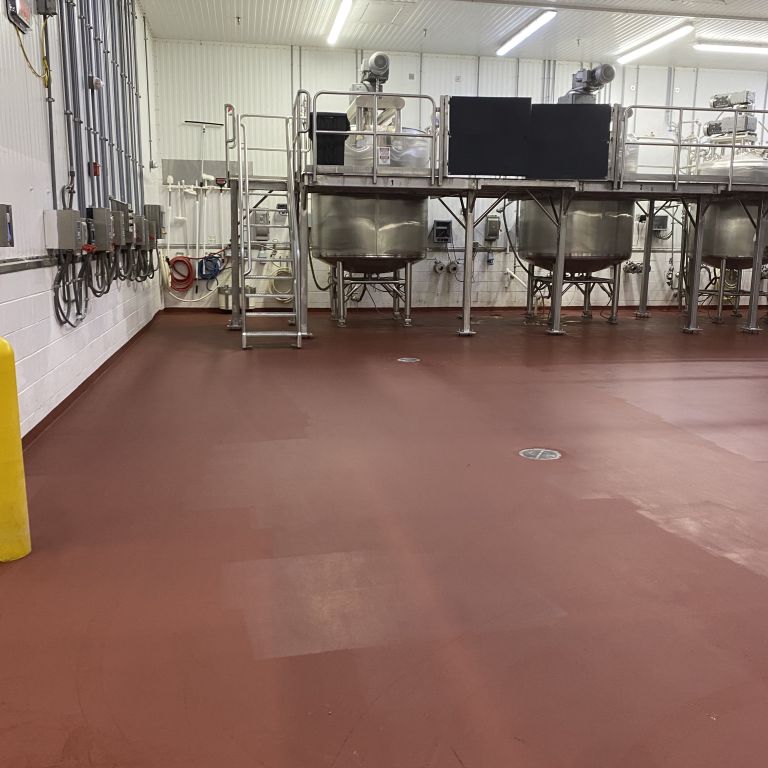
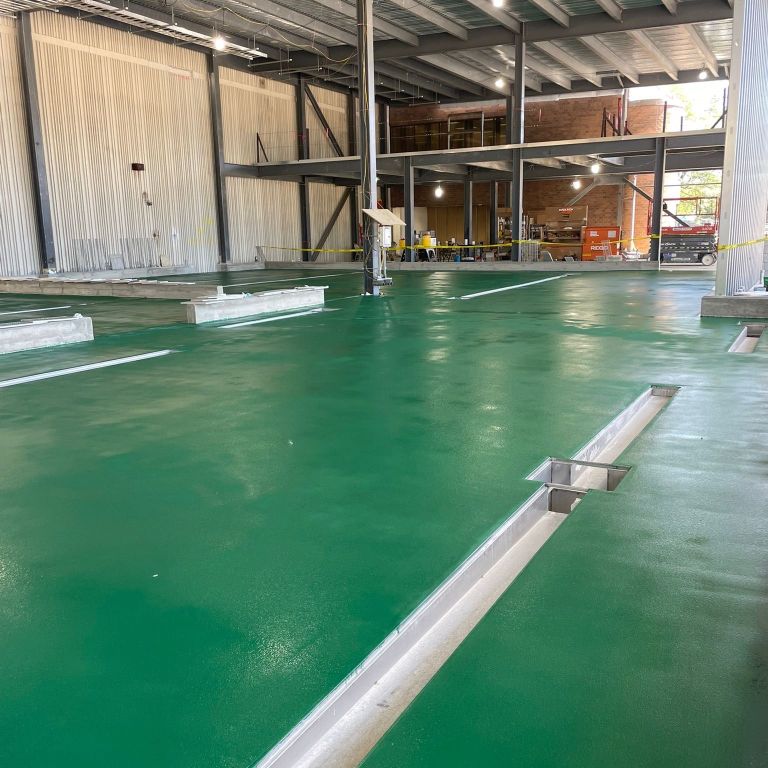

A Real World Scenario: Kitchen Conundrum
A Real World Scenario: Kitchen Conundrum
This is the part most facility managers care about. The long game. Let’s talk about what happens after the installers leave.
Durability and Repair Costs
Suppose you had a floor made of one piece. No grout lines. No seams. Nothing for moisture, grease, or chemicals to sneak under.
A high-quality liquid floor can last 10, 15, or even 20 years with minimal repairs. They resist impact, heavy abrasion, and chemical spills that would stain, etch, or crack other materials.
Traditional floors? Grout gets dirty and cracks. Tiles come loose or break. Seams in sheet vinyl peel up, letting water in and creating a breeding ground for bacteria. The ongoing repair bills and patching add up fast.
Maintenance and Labor Savings
This is a huge one. How many man-hours does your team spend scrubbing grout lines or stripping and waxing vinyl?
Liquid flooring is famously easy to clean. A simple sweep and a damp mop are often all it needs. There are no pores for dirt to hide in. This can cut your cleaning time and chemical costs by more than half. That’s real, recurring savings on labor and supplies.
The Hidden Monster: Downtime
This is the cost nobody budgets for. If a tile floor in your main production aisle gets damaged, you might have to cordon it off. Shut down a line. Delay orders.
Liquid floors can be repaired seamlessly, often in a few hours with minimal disruption. And because they are so durable, you are far less likely to need those repairs in the first place. Keeping your operation running is the ultimate cost savings.
A Real World Scenario: Kitchen Conundrum
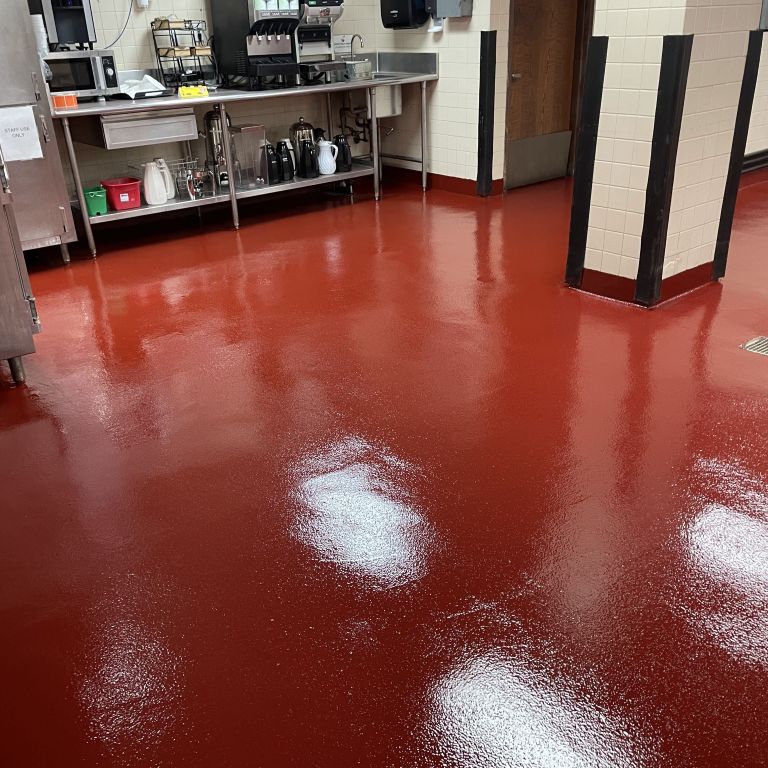
We worked with a mid-sized restaurant group a while back. They always used ceramic tile in their kitchens. It looked great. But every year, they were replacing cracked tiles and fighting a losing battle with grout stains. The constant maintenance was eating into their profits.
We installed a high-performance polyurethane floor. The initial cost was higher, sure. But within two years, they had broken even. How? They eliminated the annual tile repair bill. Their nightly cleaning crew finished 45 minutes faster. That is 45 minutes of saved labor every single night. The math became undeniable. The more expensive floor was, in reality, saving them thousands.
So, Which One Is Right for Your Business?
This is not a one-size-fits-all answer. You have to be honest about your operation.
Stick with traditional flooring if:
Your budget is exclusively focused on the lowest possible initial cost.
The area has very light, predictable foot traffic.
You are okay with a higher long-term maintenance plan and potential for more frequent replacement.
Invest in liquid flooring if:
You run a facility where downtime means lost revenue. Think warehouses, food processing plants, busy commercial kitchens.
You want to slash your long-term maintenance and labor costs.
Safety, sanitation, and durability are non-negotiable parts of your daily operation.
The Bottom Line
Stop thinking about the price tag. Start thinking about the total cost.
A floor is the foundation of your entire operation. It impacts everything from safety to efficiency. While liquid flooring requires a greater initial investment, its legendary durability, minimal maintenance, and resistance to downtime make it the undisputed champion for long-term cost savings in a demanding commercial environment.
You have to run the numbers for your own facility. Look beyond the invoice and project your costs out five years. What will you really be paying?
If you are ready to calculate the true long-term value for your space in New Jersey, New York, or Pennsylvania, the team at High Performance Systems can help. We provide free, no-obligation site assessments to give you a clear picture because the right floor should be a solution, not a recurring problem.

High Performance Systems
436 Lincoln Blvd Middlesex, NJ 08846
Phone: 800-928-7220
