...

Engineering Moisture Vapor Barrier Flooring for NJ Industrial Slabs

In many New Jersey industrial facilities, the greatest threat to a new floor isn’t traffic—it’s what lies beneath the concrete. Without a high-performance moisture vapor barrier flooring system, hydrostatic pressure and high moisture vapor transmission (MVT) can lead to catastrophic delamination and bubbling. We specialize in engineering moisture mitigation solutions that protect your investment and ensure long-term bond integrity.

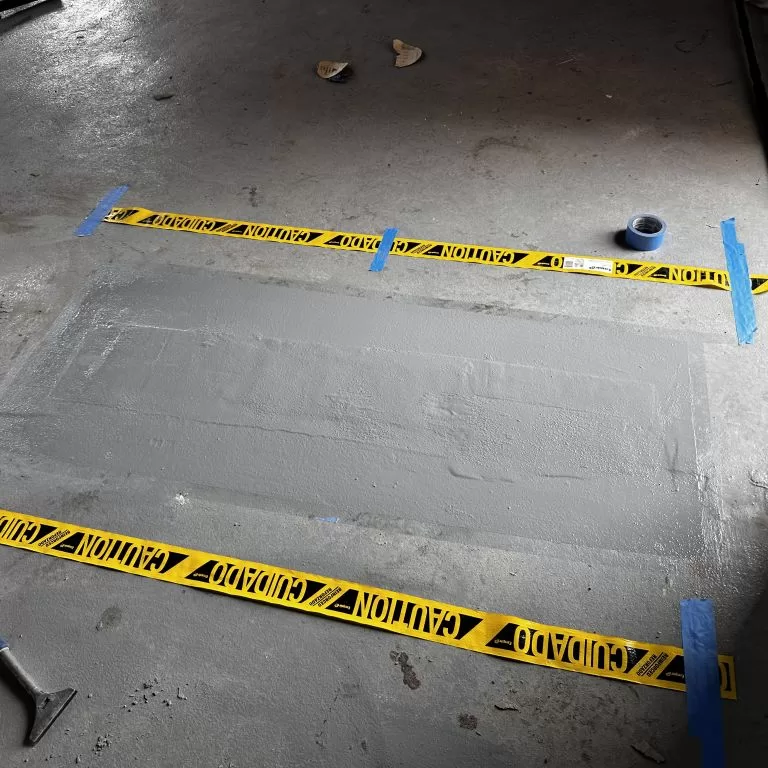
Industrial installation of a moisture vapor barrier to prevent hydrostatic pressure and floor delamination in a New Jersey warehouse.

Why Your Facility Needs Moisture Vapor Barrier Flooring

Concrete slabs, especially older or “on-grade” slabs in NJ, act like sponges. Our systems are designed to stop moisture in its tracks:

  • Hydrostatic Pressure Resistance: Engineered to withstand up to 20 lbs of pressure per 1,000 sq. ft.

  • Prevents Delamination: Blocks the osmotic blistering that causes standard epoxies to peel and crack.

  • Alkalinity Control: Neutralizes high pH levels at the slab surface that can degrade resinous adhesives.

The Technical Process: From Testing to Installation

A successful moisture vapor barrier flooring project begins with data, not just application. Our process includes:

  1. RH & Calcium Chloride Testing: We measure the relative humidity within the slab to determine the exact moisture transmission rate.

  2. Mechanical Preparation: Diamond grinding to achieve the necessary CSP (Concrete Surface Profile) for a mechanical bond.

  3. High-Solids Epoxy Primers: Application of specialized moisture-tolerant resins that penetrate deep into the concrete pores.

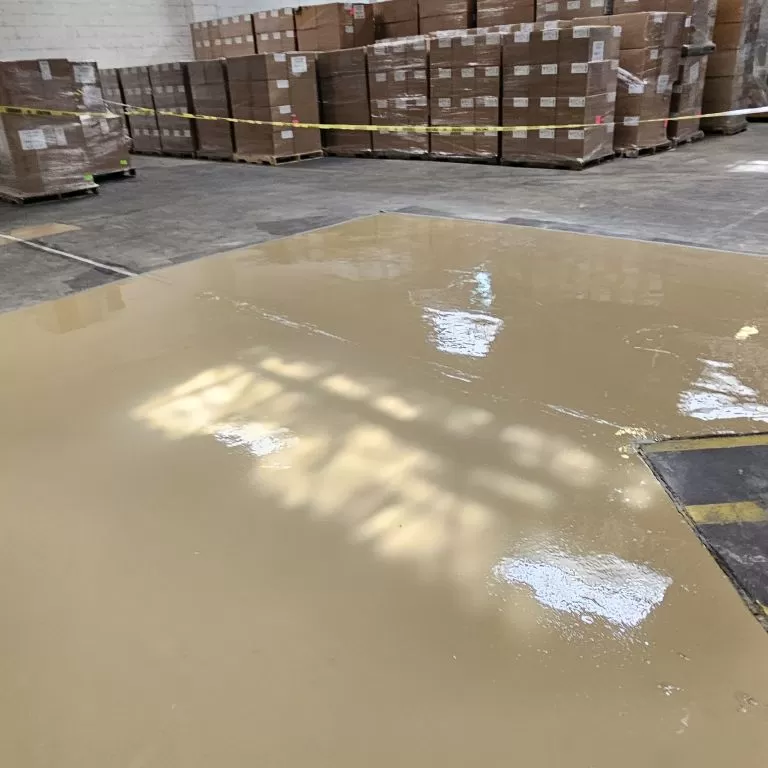
Industrial installation of a moisture vapor barrier to prevent hydrostatic pressure and floor delamination in a New Jersey warehouse.
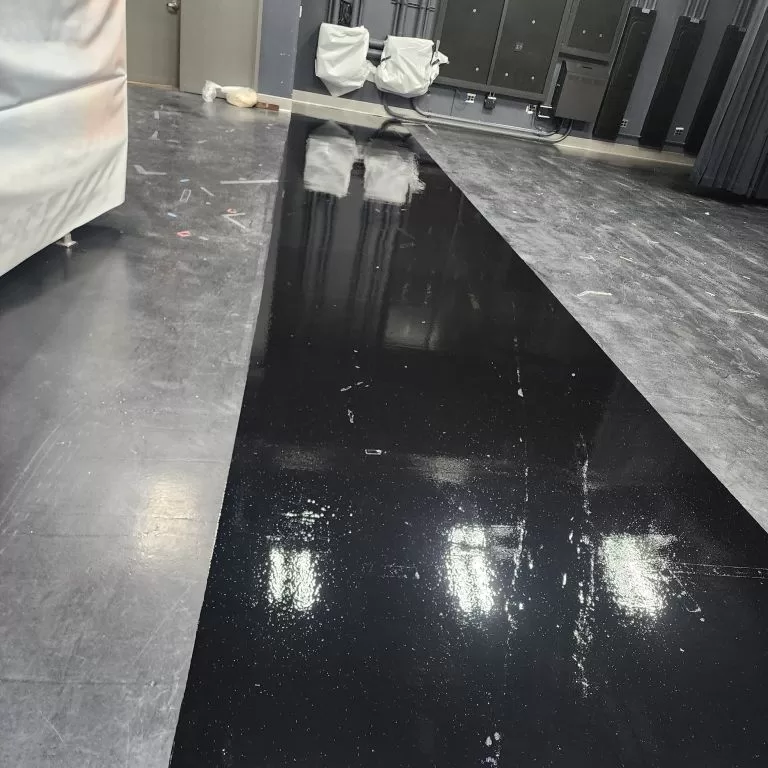
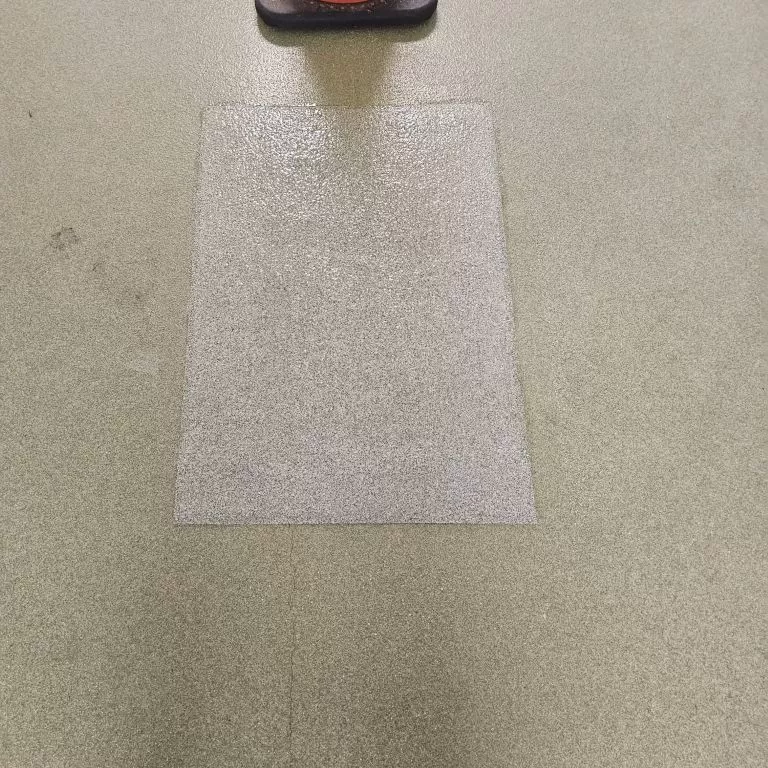
Industrial installation of a moisture vapor barrier to prevent hydrostatic pressure and floor delamination in a New Jersey facility.

Serving NJ’s Industrial Centers

We provide expert moisture mitigation for facilities in Newark, Jersey City, Rahway, and Paterson. Whether you are managing a pharmaceutical lab or a distribution warehouse, our systems meet all USDA, FDA, and OSHA standards for safety and hygiene.

Notice: High Performance Systems provides industrial and commercial solutions exclusively. We do not offer residential moisture proofing or garage services.

FAQs

Why is moisture considered the "number one enemy" of resinous flooring?

Concrete is naturally porous, acting like a sponge that pulls moisture from the ground. If this moisture is trapped under a non-breathable coating like epoxy, it creates hydrostatic pressure. This pressure eventually forces the coating away from the slab, leading to “bubbles,” blistering, and total bond failure.

Visible dampness is a red flag, but often the problem is invisible. Professional installers use two primary tests:

  • Calcium Chloride Test: Measures the moisture vapor emission rate (MVER) from the surface.

  • In-Situ Relative Humidity (RH) Probes: Measures the moisture deeper within the slab. If readings exceed the flooring manufacturer’s limits (typically 3–5 lbs or 75-80% RH), a moisture vapor barrier is mandatory.

While a standard primer improves adhesion, it is usually not thick or dense enough to stop pressurized vapor. A moisture vapor barrier (MVB) is a specialized 100% solids epoxy coating designed to penetrate deep into the concrete pores and withstand high levels of moisture pressure—often up to 20 lbs or 99% RH—ensuring the topcoats remain bonded.

Yes. One of the biggest advantages of these systems is the ability to apply them to concrete that has not yet reached its full 28-day cure cycle. This allows projects to stay on schedule by sealing the “green” concrete early, preventing the long wait times traditionally required for moisture levels to drop naturally.

Skipping a barrier to save on upfront costs is a high-risk gamble. If the floor fails due to moisture, the entire system must be ground off, the moisture issue addressed properly, and a new floor installed. This effectively triples the project’s cost and causes significant operational downtime.