...
epoxy over tile flooring

Comparing Seamless Epoxy Flooring vs Tile for Commercial Kitchens

You just finished a 12-hour shift. Your back aches. And you’re mopping a floor that still looks greasy. The tile grout is stained, and a corner piece has chipped again. Sound familiar?

Choosing flooring for a commercial kitchen feels like a high-stakes puzzle. You need something that can take a beating, keep your staff safe, and not wreck your budget. Two names always pop up: seamless resin flooring and tile, but they’re not even in the same league.

Let’s cut through the confusion. This isn’t about minor differences. It’s about picking a foundation that will either cost you endlessly or protect your business for years.

Here’s a real-world comparison to help you decide.
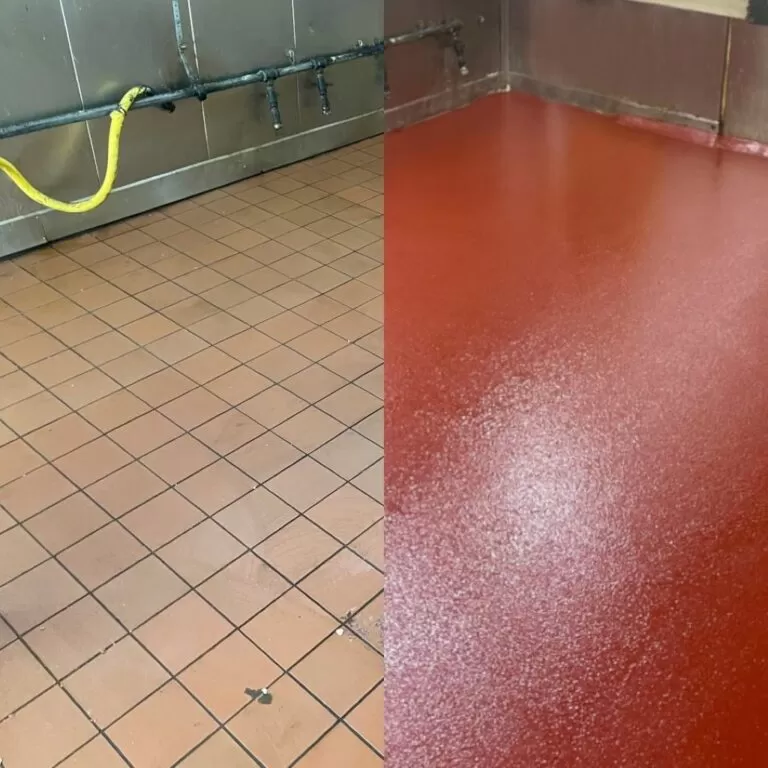
epoxy over tile flooring

The Basics: What Are We Even Talking About?

First, let’s be clear on what these floors are.

Tile Flooring

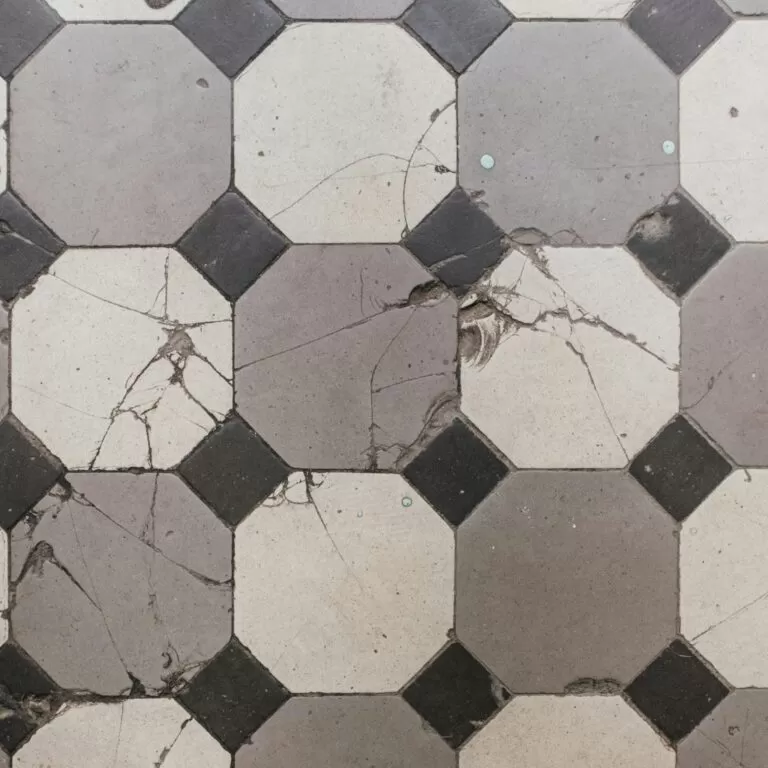
Think of those classic checkerboard floors. You glue it down in sections. It’s a classic for a reason. It’s cheap to buy up front. But here’s the thing. It has seams. Lots of them. And in a kitchen, seams are where trouble lives.

Seamless Resin Flooring (Epoxy)

This isn’t a tile. It’s a liquid system applied right onto your concrete subfloor. It cures into one solid, continuous surface. No gaps. No cracks. Just a single, impenetrable shield. It’s the difference between a raincoat and a sweater in a downpour.

The 5-Minute Kitchen Floor Showdown

Let’s break down how they perform where it matters most.

The Fight for a Truly Sanitary Floor

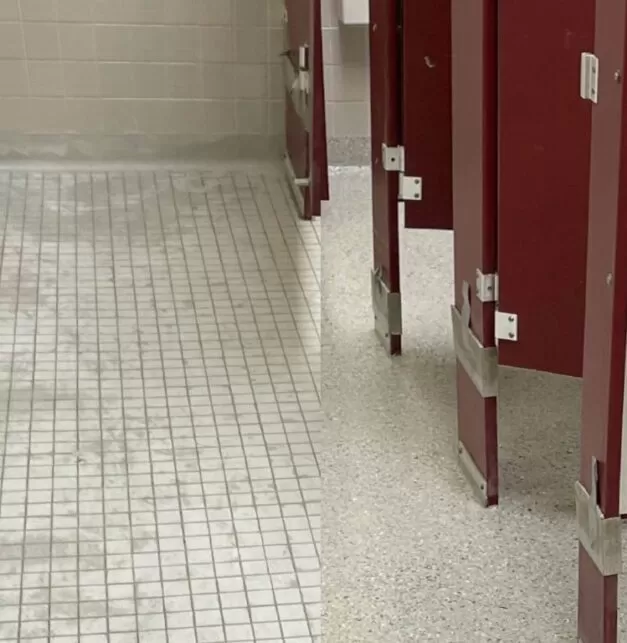
Tiles have seams between them. Grease, water, and food particles seep down. This provides a habitat for microorganisms and fungi. No amount of mopping cleans what’s underneath. You’ll fight a constant battle for basic sanitation.

Seamless Resin: This is the winner for cleanliness. It’s non-porous. Nothing soaks in. A simple hose-down or damp mop sends spills and grease right down the drain. For passing health inspections and keeping your kitchen truly sanitary, it’s not a contest.

The Safety and Slip Factor

Wet kitchen floors are a huge risk.

Tile: It can be slippery when wet. You can get coatings to help, but they wear down and need constant reapplication. It’s a temporary fix.

Seamless Resin: Here’s a cool feature. You can have anti-slip additives broadcast right into the surface during installation. This creates a textured, grippy surface even when it’s drenched with water or grease. It’s a permanent solution for staff safety.

Durability: The Long-Term Cost Story

This is where math gets interesting.

Tile: It scratches and stains easily. It needs constant maintenance. I’m not just talking mopping. I mean stripping and waxing the surface several times a year. That’s labor. That’s product. That’s downtime. The cheap initial price tag hides a massive long-term cost.

Seamless Resin: This floor is a tank. It resists impacts from dropped pots, chemical spills from cleaners, and heavy foot traffic. The maintenance? It’s shockingly simple. No waxing. Ever. You save thousands on labor and supplies over its lifetime.

So, When Does Tile Actually Make Sense?

Look, tile isn’t evil. It has its place. It can work in low-traffic, dry areas like a server station or a retail store. But for the heart of your kitchen, the hot, greasy, chaotic engine room? I would not recommend it. The ongoing costs and safety risks are just too high.

The Real Cost of a "Good Deal"

Let me tell you about a client we had. A busy pub kitchen. They installed tile to save money. Two years later, they called us. The grout lines were black with mold. The floor was permanently slick. The manager was terrified of a slip-and-fall lawsuit.

We put it on a seamless epoxy floor. The transformation was instant. The staff said it felt safer to walk on. The head chef loved how easy it was to clean. The manager finally stopped worrying. They told us they wished they’d skipped the tile experiment from the start. That “good deal” ended up costing them double.

epoxy over asbestos tiles

The Final Verdict for Your Kitchen

This isn’t just about picking a floor. It’s about choosing a partner for your daily operation.

Choose tile if: Your only concern is the absolute lowest installation cost for a low-impact, dry area. You are prepared for high, ongoing maintenance expenses.

Choose Seamless Epoxy if: You value safety, sanitation, and the total cost of ownership. You want a floor that protects your business, your staff, and your peace of mind for a decade or more.

For most commercial kitchens, the choice is clear. The safety, cleanliness, and long-term savings of a seamless floor aren’t just nice features. They are necessities.

Still weighing the pros and cons for your specific space? Sometimes, you just need to see it for yourself.

The team at High Performance Systems can provide a no-obligation site assessment. We’ll look at your kitchen, answer your questions, and give you a straight answer on the best path forward because the right floor shouldn’t be a source of stress. It should be the one thing you don’t have to worry about.

FAQ

Where are epoxy flooring over tile systems most suitable in New Jersey?

Epoxy flooring over tile systems from High Performance Systems is ideal for New Jersey homes and commercial spaces, upgrading old tile floors.

Seamless epoxy overlays conceal tile grout and cracks, enhancing floor aesthetics in New Jersey properties through High Performance Systems.

Yes, High Performance Systems recommends anti-slip epoxy coatings over tiles to improve safety in New Jersey workplaces and kitchens.

Epoxy tile overlay systems by High Performance Systems are ideal in New Jersey homes and commercial buildings that want to refresh or upgrade existing tile without removing it.

Yes, High Performance Systems provides eco‑friendly epoxy flooring over tile options in New Jersey that use low‑VOC materials and sustainable practices.

Name
800-928-7220