...

The 2026 Industrial Epoxy Flooring Guide

2026 Trends in Industrial Epoxy Flooring Services

  • Sustainable & Eco-Forward Resins: There is a major shift toward low-VOC, zero-odor, and bio-based resins (plant-derived components). These systems align with strict air-quality regulations and satisfy corporate sustainability goals without sacrificing durability.

  • Rapid-Curing Systems: Newer formulations now feature 24–48 hour cure times, drastically reducing downtime for 24/7 facilities.

  • UV-Stable & Matte Finishes: While high-gloss is traditional, matte and satin topcoats are trending because they hide micro-scratches and dust more effectively while providing a high-end, modern look.

  • Smart Surfaces: Integration of anti-static (ESD) properties is becoming standard in electronics manufacturing and data centers to protect sensitive equipment.


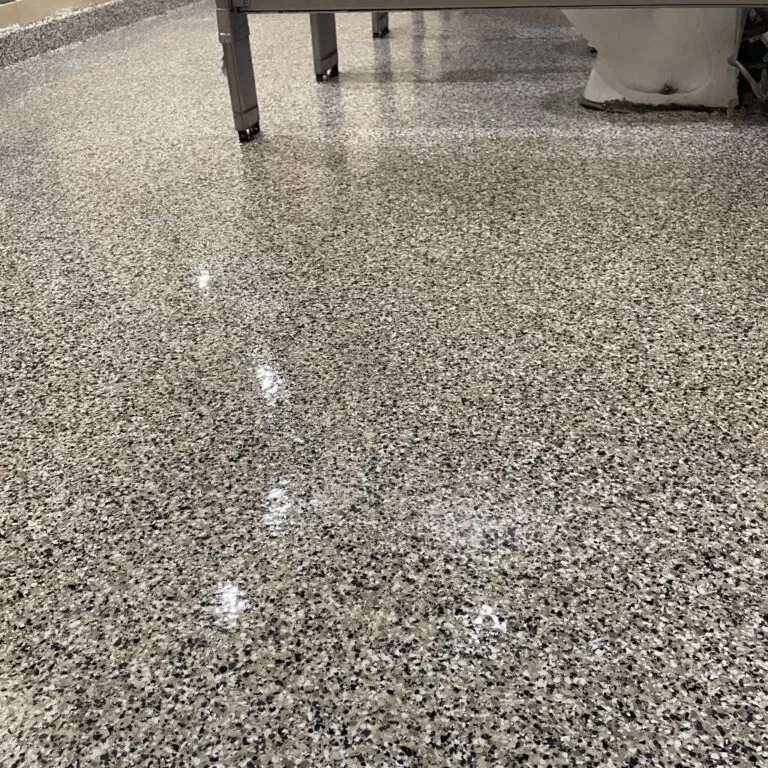
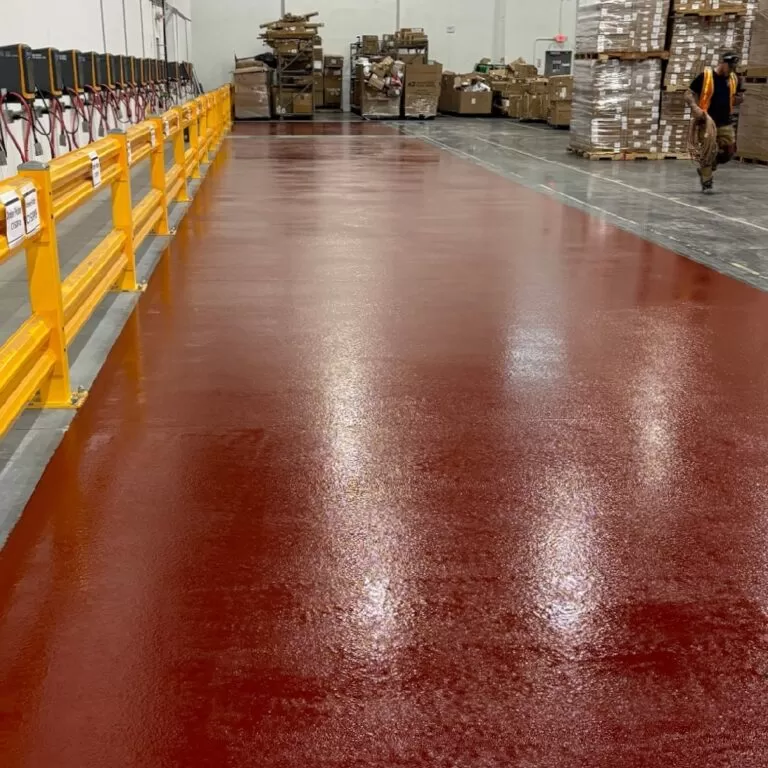
Professional industrial epoxy flooring services being applied to a commercial floor.
Chemical-resistant epoxy flooring services installed in an industrial facility.

Why Exceptional Epoxy Flooring Services Matter for Modern Facilities

  • Extreme Durability: High-solids epoxy systems can withstand impact ratings of 160 inch/lbs and adhesion strengths of up to 450 psi, meaning the concrete will typically fail before the epoxy separates from it.

  • Chemical & Thermal Resistance: Modern systems are engineered to resist harsh industrial chemicals (acids, alkalis, solvents) and can be formulated as urethane cements for facilities prone to thermal shock (e.g., food processing).

  • Enhanced Safety: Slip-resistance can be customized using varied aggregates, while color-coded zones and inlaid logos are increasingly used for wayfinding and safety instructions in high-traffic warehouses.


The Standard 4-Step Installation Process

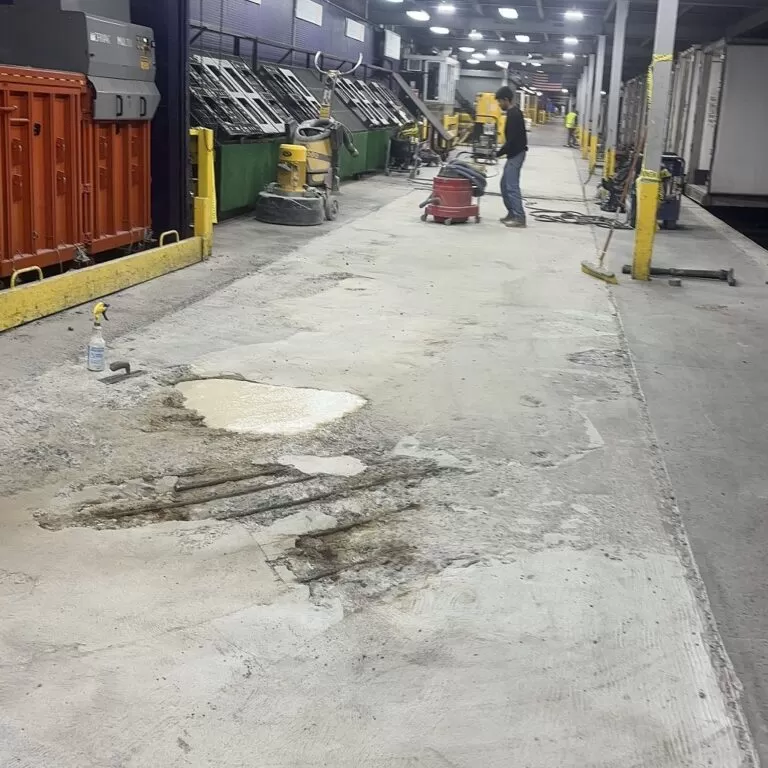
  1. Decontamination & Prep: Mechanical grinding or shot-blasting to achieve the correct Concrete Surface Profile (CSP).

  2. Prime Coat: A low-viscosity primer is applied to seal concrete pores and promote a powerful mechanical bond.

  3. Body/Intermediate Coat: This provides the bulk of the floor’s thickness and impact resistance. It can be a slurry, mortar, or a broadcast system (flakes/quartz).

  4. Finish/Topcoat: A high-performance polyaspartic or urethane finish is applied for UV stability, abrasion resistance, and final aesthetics.


Cost Outlook (2026 Estimates)

    • Standard Industrial/Warehouse: $3.00 – $7.00 per sq. ft.

    • High-End Commercial/Showroom: $10.00 – $15.00+ per sq. ft.

    • Specialized Systems (ESD/Chemical Mortar): Prices vary significantly based on resin quality and system thickness.

Epoxy Flooring Services

FAQs: Choosing the Right Epoxy Flooring Services

What makes industrial epoxy flooring services "exceptional"?

The exceptional quality of industrial systems stems from the combination of high-grade resins and precision surface preparation. Unlike standard applications, industrial services focus on engineering a “glue line” designed for extreme durability and low maintenance in demanding business environments.

  • Yes. When installed with the proper Concrete Surface Profile (CSP), high-solids epoxy systems can withstand impact ratings of 160 inch/lbs and adhesion strengths of up to 450 psi. This ensures the floor can handle heavy forklift traffic and pallet jacks without delaminating.

  •  

It creates a seamless, non-porous surface that prevents dirt, oils, and chemicals from penetrating the concrete substrate. Because there are no grout lines or joints to harbor bacteria, the floor can be easily sanitized with a pH-neutral cleaner or mechanical scrubber, making it ideal for food service and pharmaceutical settings.

Absolutely. Systems can be customized with specific colors, textures, and safety markings. This includes color-coded zones for pedestrian safety, inlaid company logos, and varied aggregates to achieve the precise level of slip-resistance required for your facility’s operations.

With proper maintenance, a professional industrial epoxy floor typically lasts 5 to 10 years before requiring a “screen and recoat.” The longevity depends heavily on the volume of vehicular traffic and the chemicals used in the environment, but the underlying substrate remains protected indefinitely.