...

Engineering Durable Commercial Kitchen Flooring for NJ Facilities

When selecting durable commercial kitchen flooring, the stakes are high. In a high-volume food service or processing environment, your floor must withstand more than just foot traffic—it must resist thermal shock, chemical spills, and constant moisture. We provide engineered resinous flooring solutions that ensure long-term durability and strict safety compliance for New Jersey’s industrial sector.

Why Our Systems Define Durable Commercial Kitchen Flooring

Many facilities struggle with failing floors because they install standard epoxy where industrial-grade solutions are required. Our systems are built to last:

  • Urethane Cement Technology: Unlike standard coatings, urethane cement expands and contracts at a rate similar to the concrete substrate, preventing delamination.

  • Thermal Shock Resistance: Our floors handle 200°F+ wash-downs and steam cleaning without cracking.

  • High-Impact Durability: Specifically engineered to withstand the weight of heavy equipment, stainless steel carts, and constant vibration.

NO RESIDENTIAL PLEASE

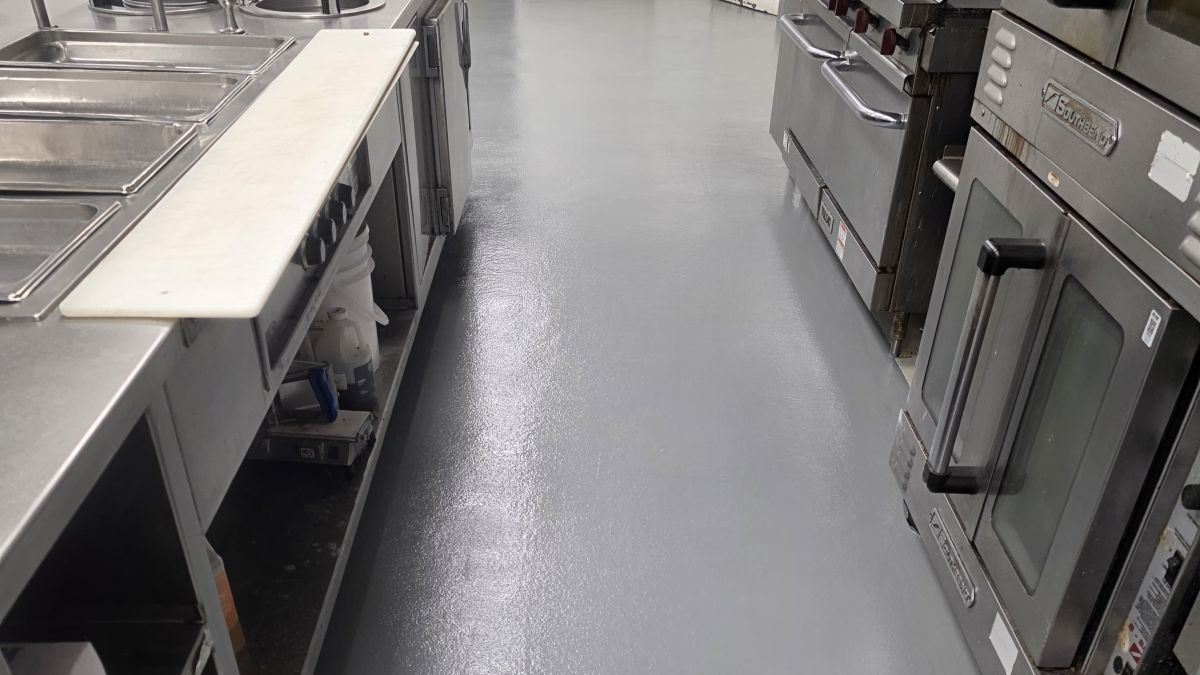
Durable grey urethane cement kitchen flooring in a Princeton, NJ restaurant.
High-performance installation of durable commercial kitchen flooring designed for thermal shock and heavy traffic.

Customizing Slip-Resistance and Safety

A floor is only as durable as its safety profile. We customize the texture of your durable commercial kitchen flooring to meet the specific needs of different zones:

  1. Cooking Lines & Fryers: Aggressive aluminum oxide broadcast for oil and grease resistance.

  2. Cold Storage & Prep: Medium-texture quartz systems for hygiene and ease of cleaning.

  3. Sanitized Zones: Seamless cove base integration to eliminate bacteria-harboring 90-degree corners.

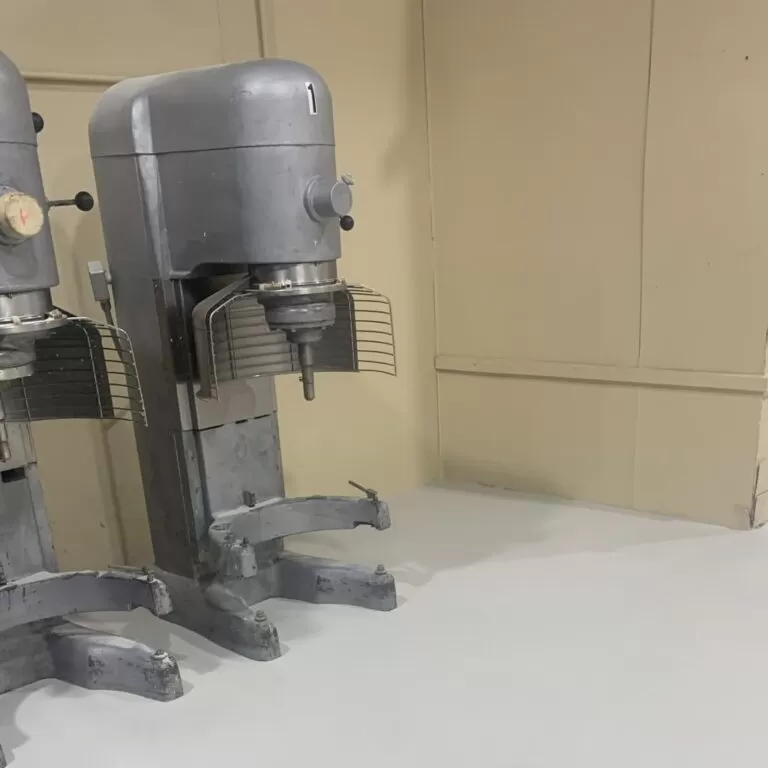
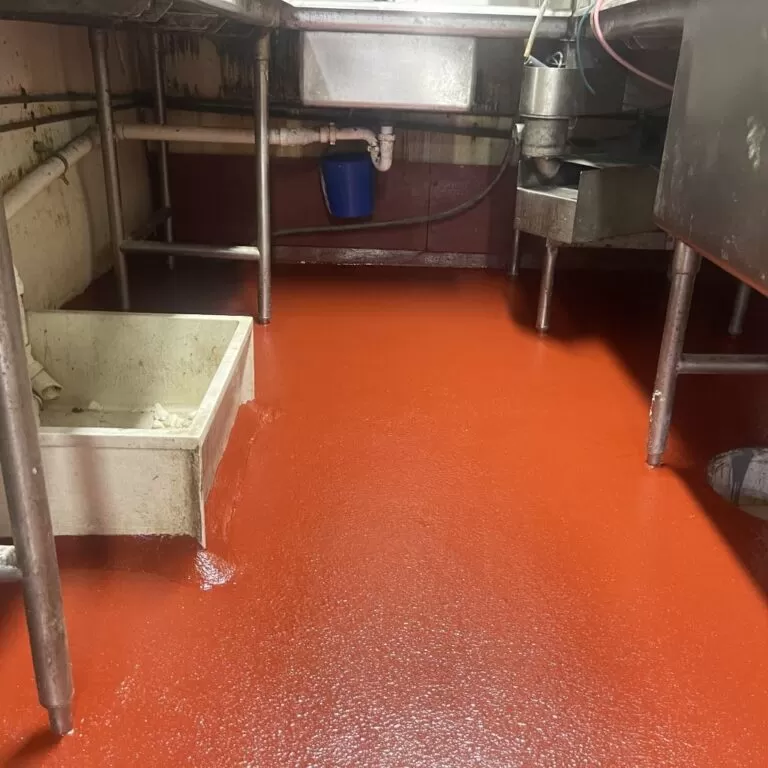
Heavy-duty installation of durable commercial kitchen flooring designed to withstand thermal shock and high-volume traffic.

Serving NJ Industrial Hubs

From Newark and Jersey City to Paterson and Rahway, we provide local expertise for New Jersey’s commercial kitchens. We understand local health department requirements and ensure every installation meets USDA and FDA standards.

Industrial Service Notice: High Performance Systems works exclusively with commercial and industrial clients. We do not provide residential kitchen or garage flooring services.

FAQs About Durable Commercial Kitchen Flooring

Why is durability so critical specifically for kitchen flooring?

In a commercial kitchen, the floor must withstand a “perfect storm” of stressors: constant heavy foot traffic, the weight of massive equipment (refrigerators, industrial mixers), and frequent impacts from dropped pots or tools. High Performance Systems installs systems with a compressive strength exceeding 10,000 psi, which is significantly stronger than the concrete substrate itself, ensuring the surface doesn’t crack or spall under pressure.

Standard flooring often softens or “pits” when exposed to hot grease and animal fats. High-performance resinous floors are engineered with advanced chemical resistance that prevents these substances from penetrating the surface. This protection ensures that hot oil spills don’t compromise the bond of the floor or create permanent, unsanitary stains.

Yes. Safety is a key component of a “durable” floor—if it’s not safe, it’s not functional. These systems are customized with slip-resistant aggregates like quartz or aluminum oxide. This provides vital traction for staff even in wet or greasy conditions, helping New Jersey businesses remain OSHA compliant and reducing the risk of workplace injuries.   

When properly installed and maintained, a high-quality commercial kitchen floor can last 10 to 20 years. This longevity is achieved through professional mechanical preparation (diamond grinding) and the use of high-build resins that don’t peel or flake like thinner, cheaper “floor paints.”

Beyond physical strength, durability contributes to operational efficiency. These floors are seamless and non-porous, which—according to recent 2026 data—can reduce manual cleaning time by up to 30% compared to traditional tile and grout. Because there are no cracks for bacteria to hide, the floor stays sanitary with less effort, allowing staff to focus on production rather than scrubbing.