...

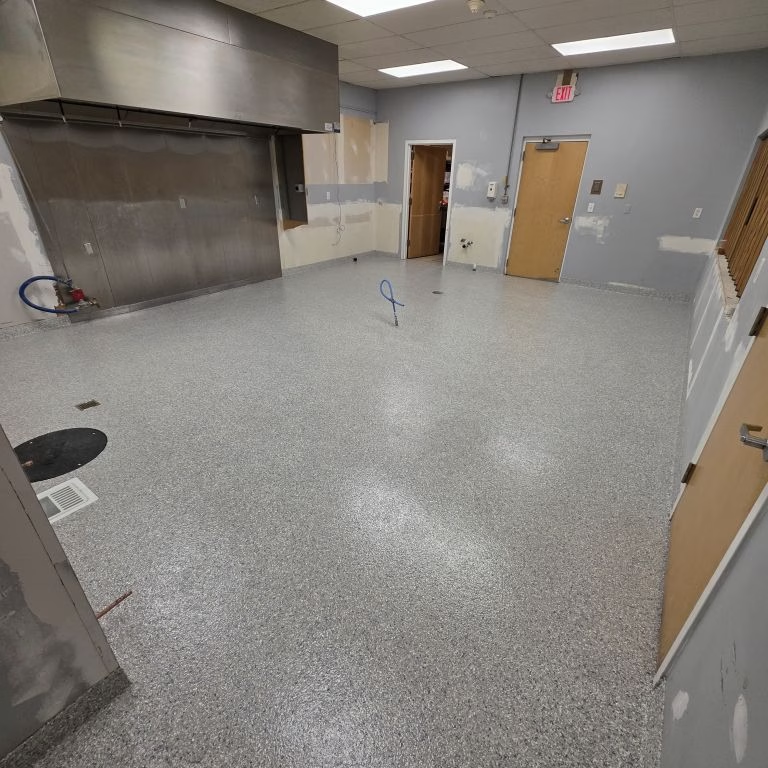
Epoxy Flake Flooring For The South Plainfield NJ community Center

Epoxy Flake Flooring Project Considerations for South Plainfield

FeatureBenefit
Slip ResistanceThe flake texture combined with the urethane provides a safer surface for public spaces.
DurabilityResists hot-tire pickup, road salts, and heavy cleaning chemicals.
MaintenanceA seamless, non-porous surface that doesn’t trap bacteria or dirt.
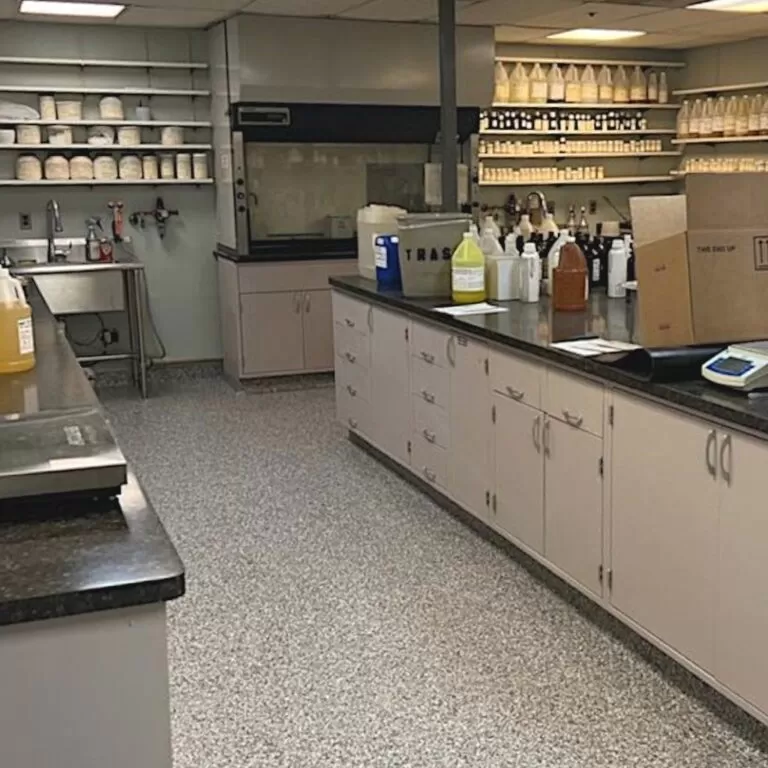
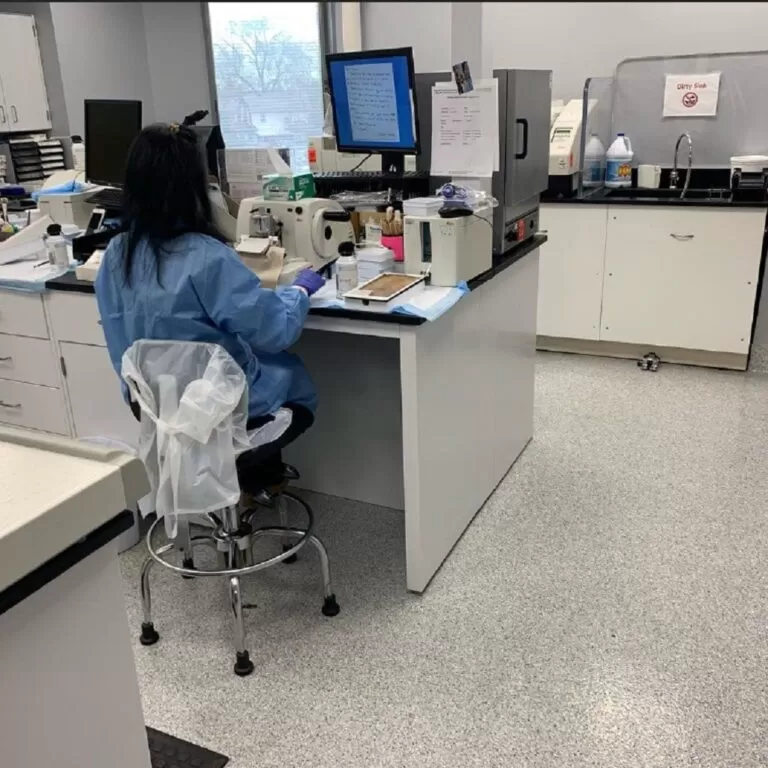
epoxy flake flooring
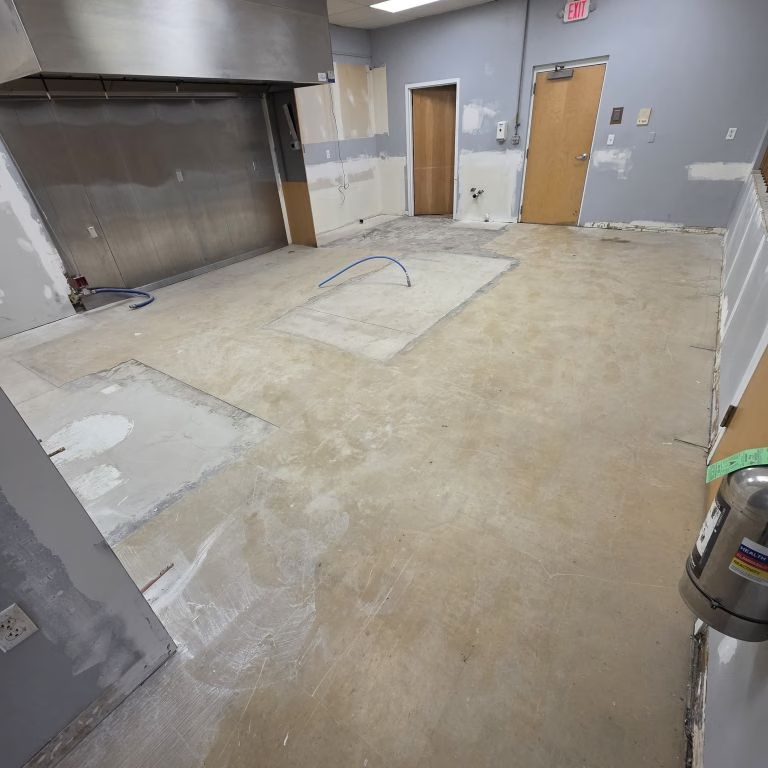
epoxy flake flooring before
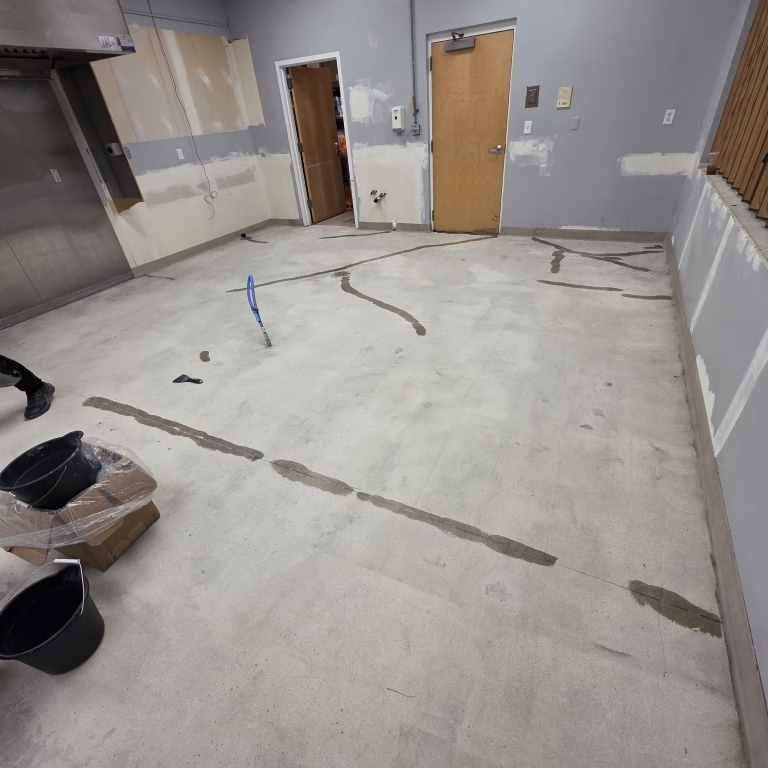
epoxy flake flooring during

Substrate Preparation for Full Flake Epoxy Flooring


The longevity of epoxy is entirely dependent on the quality of the bond to the concrete.

  • Tile Removal: Mechanical removal of existing VCT or ceramic tile, followed by the stripping of all residual mastic and adhesives.

  • Diamond Grinding: Using heavy-duty planetary grinders with diamond-segmented tooling to achieve a Concrete Surface Profile (CSP) of 2–3. This opens the “pores” of the concrete and removes any surface laitance or contaminants.

Decorative Flake Flooring Phase 2 Epoxy Layering

Phase 2: The Epoxy System Layers. This specific build-up provides a high-build, durable surface suitable for high-traffic environments. Moisture-Mitigating Epoxy Primer: A low-viscosity primer that penetrates deep into the concrete capillaries to prevent outgassing and ensure a permanent bond.

Epoxy Base Coat: A pigmented high-solids epoxy layer that acts as the receiving bed for the decorative media.

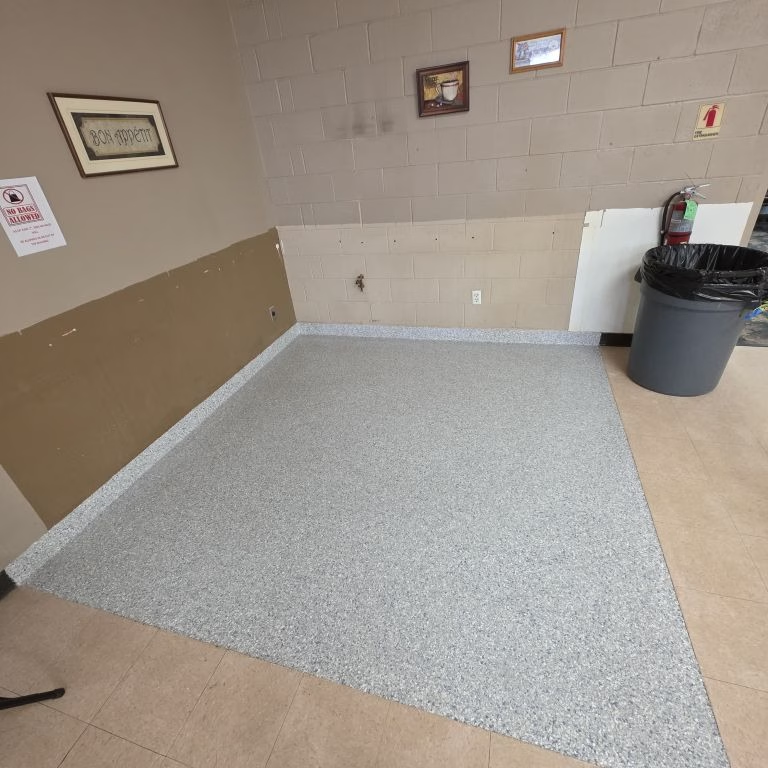
Full Flake Broadcast: Decorative vinyl flakes are broadcast “to refusal,” meaning the entire floor is covered until no wet resin is visible. This provides a texture and color pattern.

Epoxy Grout Coat: After reclaiming excess flakes and smoothing the floor, a clear epoxy grout coat is applied to lock the flakes in and fill the “valleys” between them.

full epoxy flake flooring system

Topcoating Epoxy Flake Flooring Phase 3-Urethane

Phase 3: High-Performance Finishing Aliphatic Urethane Topcoat: This is the critical final layer. Unlike standard epoxy, aliphatic urethane is UV-stable (it will not yellow), highly chemically resistant, and provides superior abrasion resistance to foot traffic and equipment.

Project Considerations for South Plainfield Feature Benefit

Slip Resistance. The flake texture, combined with the urethane, provides a safer surface for public spaces.

Durability: Resists hot-tire pickup, road salts, and heavy cleaning chemicals.

Maintenance: A seamless, non-porous surface that doesn’t trap bacteria or dirt.

Epoxy Flake Flooring Installation Summary

The Epoxy Flake Flooring project for the South Plainfield, NJ Community Center highlights a comprehensive three-phase renovation designed to transform high-traffic public areas into durable, low-maintenance spaces. Executed by High Performance Systems, the process began with meticulous substrate preparation, including diamond grinding to a specific profile for optimal bonding. The installation featured a high-build epoxy system layered with a “full flake” broadcast for aesthetic depth and slip resistance, finished with an Aliphatic Urethane topcoat to ensure UV stability and chemical protection.

epoxy flake flooring

FAQs About Epoxy Flake Flooring

How long does the epoxy flake flooring installation take?

A standard professional installation, such as the one performed at the South Plainfield Community Center, typically involves a three-phase process including substrate preparation, layering, and topcoating. While specific timelines vary by square footage, many high-performance systems can be ready for traffic within 24 to 48 hours.

Yes. The decorative vinyl flakes broadcasted into the epoxy base coat provide a textured surface that significantly improves slip resistance. When finished with a high-performance topcoat, these floors offer a safe, durable solution for high-traffic public and industrial spaces.

An Aliphatic Urethane topcoat is highly UV-stable, meaning it will not yellow or amber when exposed to sunlight. It also provides superior abrasion and chemical resistance compared to standard epoxy, ensuring the floor maintains its aesthetic appeal in demanding environments.

Yes, but only after proper substrate preparation. For the South Plainfield project, old tile and mastic were mechanically removed, followed by diamond grinding to a Concrete Surface Profile (CSP) of 2–3. This ensures a permanent bond between the concrete and the new epoxy resin.