...
urethane concrete flooring

Why More Businesses Are Choosing Urethane Concrete Flooring for Heavy Traffic Areas

Every morning, the floor of a busy warehouse gets a brutal assessment. It’s not a manager’s checklist, but the relentless drumbeat of forklift wheels, the sharp scrape of dragged pallets, and the slow, corrosive drip of spilled fluids. For years, the default answer to this punishment has been industrial epoxy. It’s a good floor until it isn’t. The cracks, the yellowing, the gradual wear in the high-traffic lanes, they’re not just flaws. They’re downtime. They’re safety reports. They’re a constant, nagging capital expense.

That’s why a quiet but decisive shift is happening. From automotive plants to bustling distribution centers, facility managers and plant engineers are moving beyond epoxy for their toughest areas. They’re opting for urethane concrete flooring, and the reasons are as hard-nosed and practical as the floors themselves.

urethane concrete flooring

The Core Difference: Flexibility Over Brittleness

Think of it like a car tire. An epoxy floor is like a rigid, hard-compound tire. It’s tough initially, but hit enough potholes, thermal shocks from freezer doors, chemical micro-spills, constant impact, and it can chip and crack. Urethane concrete is different. It’s engineered with a higher polymer content, giving it a degree of flexibility. We’re talking about a microscopic give, not a spongy feel.

This elastomeric quality allows it to absorb and dissipate stress instead of fighting it. The substrate beneath any floor moves ever so slightly. A brittle coating fights that movement and loses. A urethane system moves with it, maintaining its seal and integrity. That’s the fundamental reason for its staying power.

urethane concrete flooring

Where This Performance Actually Matters

You don’t need this everywhere. But in specific, high-cost zones of failure, it’s becoming the only logical choice. The switch is most evident in a few key areas:

The High-Traffic Gauntlet: Main aisles, shipping/receiving docks, and pathways around machinery. These aren’t just walked on; they are industrialized. Urethane’s superior abrasion resistance means the finish isn’t just wearing away year after year, saving you from frequent recoats.

Thermal Shock Zones: The area around a freezer or blast chiller door is a floor’s nightmare. Constant contraction and expansion. Urethane’s flexibility handles this thermal cycling without delaminating or cracking, which is a common failure point for even the best epoxies.

Chemical Exposure Points: In beverage, food processing, or pharmaceutical areas where sugar, acids, or mild caustics are present. Urethane mortars offer a denser, less porous surface that resists chemical penetration and staining far more effectively than standard epoxy.

It’s not about replacing every square foot of epoxy. It’s about strategic reinforcement where the operational cost of failure is highest.

The Long-Term Math: Durability as an Asset

The conversation always turns to cost. The initial price per square foot for a urethane concrete system is higher. That’s the sticker shock. But the real analysis is in the total cost of ownership over, say, ten years.

A typical high-build epoxy in a severe environment might need a significant overlay or full replacement in 5-7 years. That means another full project: production shutdown, labor, materials, and disruption. A properly installed urethane system in the same spot can easily last 10-15 years with only minimal wear. You’re not just buying a floor; you’re buying extended service intervals and predictable operational budgets. The long-term math almost always favors urethane for severe duty.

What a Good Installation Actually Looks Like

This performance isn’t automatic. It hinges on installation. The substrate prep must be impeccable, even more critical than with epoxy. The material must be mixed and placed by crews who understand its different working times and flow characteristics. There’s a nuance to troweling it. The mistake is thinking it’s just a “thicker epoxy.” It’s a different system altogether.

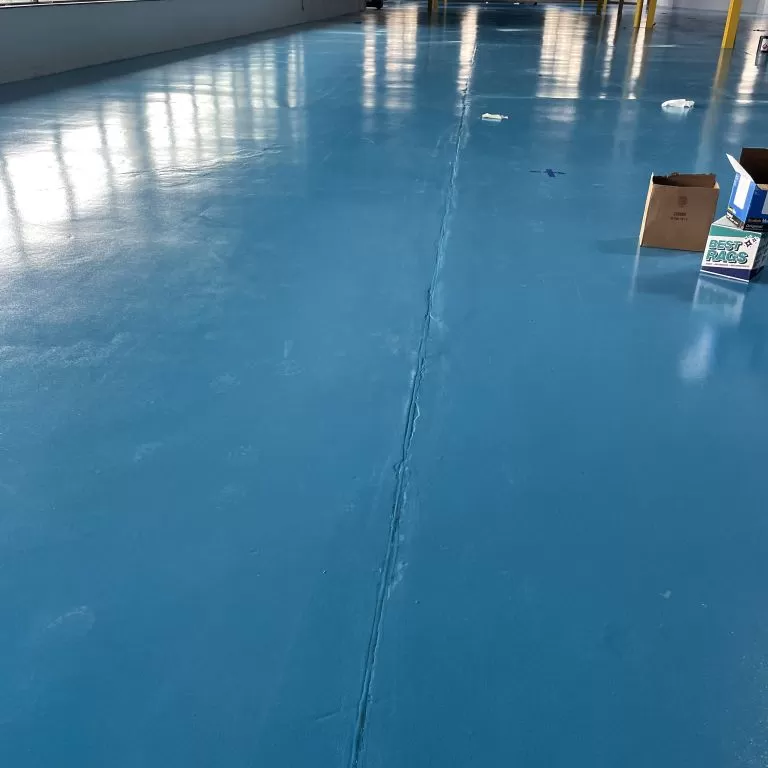
An experienced installer will also manage expectations. The surface of a urethane mortar will have a slight, professional texture from troweling; it’s not the perfectly glass-smooth finish of a self-leveling epoxy. That texture is part of its durability and slip resistance. We always walk clients through this before a single bag is mixed, so they know what they’re getting: ultimate performance, not necessarily a mirrored showroom look.

urethane concrete flooring

Making the Decision for Your Facility

So, is it right for you? Start by mapping your pain points. Track where your current flooring shows wear first. Walk those high-stress lanes. Look at your maintenance logs for chemical spill damage.

Then, think in terms of zones. A hybrid approach is often the smartest capital deployment: urethane concrete for the severe-duty gauntlets, and high-performance epoxy for the general storage and lighter traffic areas. This maximizes your budget while eliminating your biggest headaches.

The trend toward urethane concrete isn’t about a new fad. It’s a direct response to the demand for fewer shutdowns, lower lifetime cost, and a floor that can finally keep pace with the uncompromising rhythm of modern industry. It’s the logical upgrade for when “durable” just isn’t durable enough.

For facilities facing these daily grind challenges, the team at High Performance Systems brings a direct understanding of where and why these advanced systems make sense. We’ve seen the difference a zone-specific, strategic approach to flooring can make on a plant’s bottom line and operational flow.

800-928-7220