...
high performance flooring

What Makes a High Performance Flooring System Truly "High Performance"?

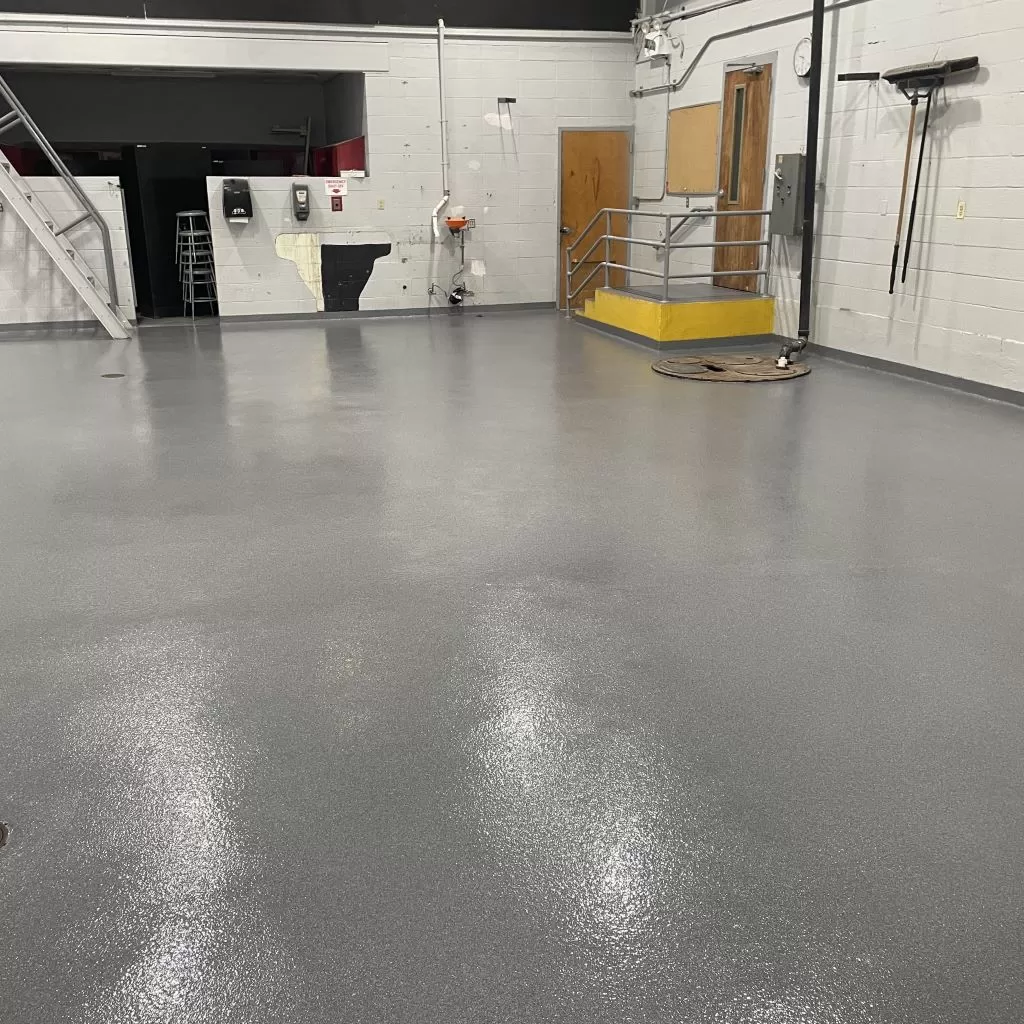
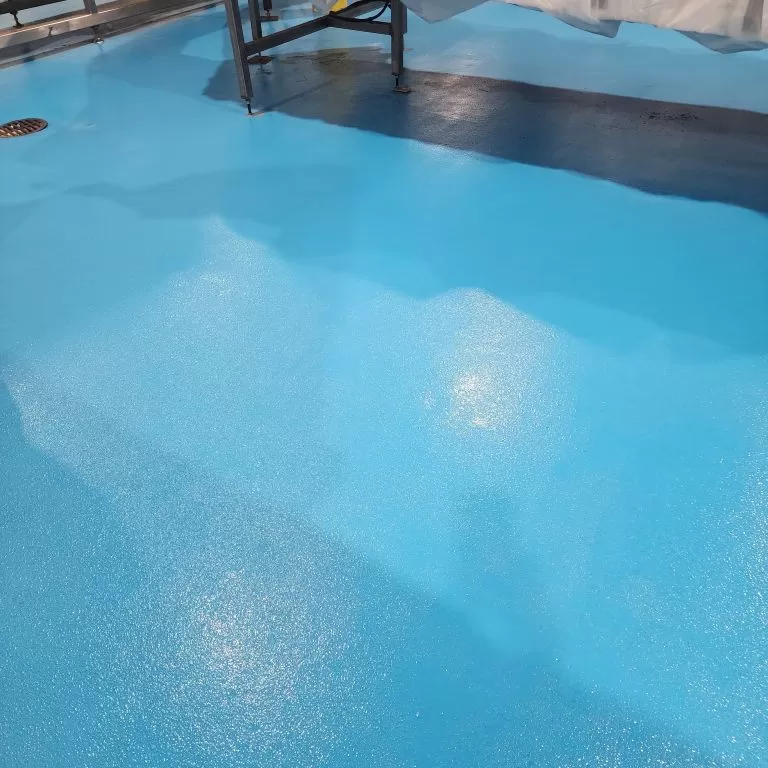
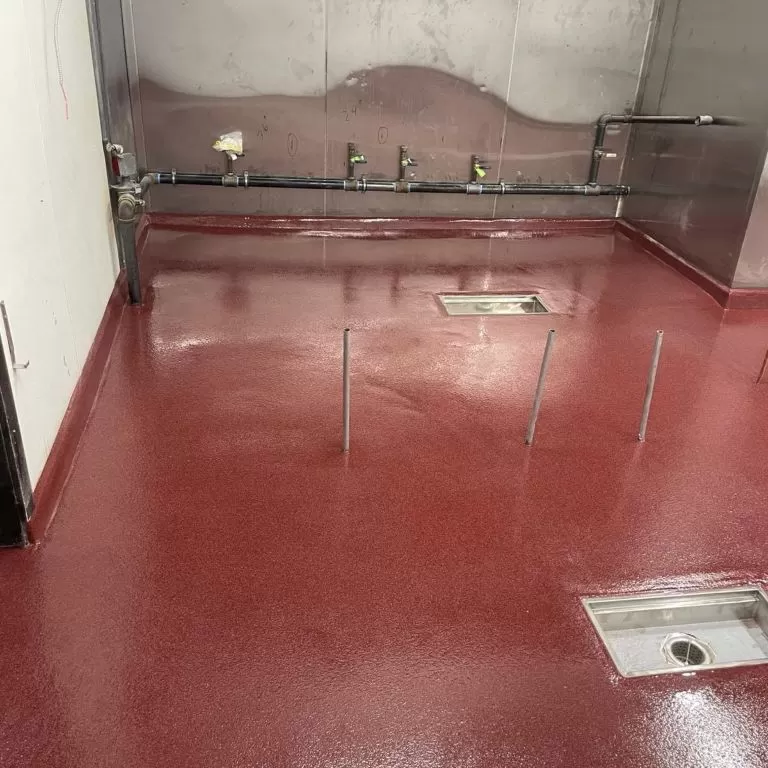
The term “high performance” gets attached to everything from sneakers to laptops. It sounds impressive. But for a factory floor, a lab, or a commercial kitchen, the definition needs to be concrete. It’s not a vague promise. It’s a specific set of engineering standards that protects your operation.

For facility managers and operations leaders, the wrong floor is a constant source of risk and cost. The right one is a silent, active asset. Let’s look beyond the glossy finish. Let’s identify what turns a basic coating into a high-performance foundation.

high performance flooring

It's Engineered for a Specific Job

A true high-performance floor is a custom solution. It’s not a one-size-fits-all product. It is a technique that aims at addressing the peculiar problems that arise in your unique environment.

Think about the differences between these common scenarios:

A food processing facility must have a floor capable of withstanding a thermal shock due to hot washdowns, acids, and greases.

A car workshop must have a coating that can resist petroleum, anti-freeze, and repetitive workmanship and parts.

The surface in a pharmaceutical cleanroom requires a smooth, non-conductive, and non-volatile surface that is insensitive to harsh hygiene standards.

The material selection, thickness, and texture must be specified based on this reality. The right system addresses your specific threats.

high performance flooring

The Three Pillars of True Performance

Any legitimate system must excel in three measurable areas. A weakness in one compromises the entire floor.

Durability Under Extreme Load

This is about surviving real-world industrial punishment. A high-performance system uses a thick, multi-layer build with advanced resins. It is designed to resist:

Impact: From dropped machinery or heavy pallets.

Abrasion: From constant foot traffic and wheeled carts.

Fatigue: Due to the endless pressure of daily actions, with no cracking or delaminating.

Engineered, Integral Safety

Safety cannot be an afterthought. In wet or greasy environments, slip resistance must be built into the floor’s core. A performance system broadcasts durable aggregates (like quartz or aluminum oxide) into the surface layer. This creates permanent traction, unlike a topical coating that wears away, ensuring ongoing OSHA compliance and accident prevention.

Chemical Resistance as a Shield

Facilities use powerful cleaners, oils, and solvents. A standard floor will stain, soften, and degrade. This allows spills to penetrate and destroy the concrete substrate below. A true system acts as an impervious chemical barrier. The resin is specifically formulated to resist your facility’s unique cocktail of threats, protecting your building’s structural integrity.

high performance flooring

Installation Is Part of the Product

The finest materials will fail if installed incorrectly. A high-performance system includes the installation protocol as a core component of its value. This is where professional expertise is non-negotiable.

Preparation is Paramount: This entails mechanical profiling, accurate moisture testing, and fixing of joints. The existence of the bond will be unproductive without an ideal substrate.

Climate Control Matters: Temperature and humidity are controlled when professionals apply the material so that it cures to its complete published strength.

Detailing is Key: Proper sealing at edges, drains, and coving creates a seamless, impenetrable barrier that fluids cannot undermine.

high performance flooring
The Real Metric: Total Cost of Ownership

It is an expensive error to estimate a floor value by its original cost per square foot. Its real cost during the first 10-15 years of service is the determining factor. The high-performance floor is a clear return on investment in that it:

Reducing Maintenance: A seamless, non-porous surface cleans faster with less labor and chemicals.

Eliminating Downtime: It removes the recurring cost and operational disruption of emergency patches and repairs.

Protecting Productivity: A reliable floor supports efficient, safe workflows and avoids catastrophic failure.

Moving from Need to Specification

Begin by giving a candid assessment of the needs in your facility. List your specific chemicals, equipment loads and cleaning protocols. Next, collaborate with an expert who poses more specific operational inquiries, not limited to square footage.

Look for a provider who offers clear, written specifications and case studies from your industry. Verify their commitment to certified installation practices and long-term support.

For over three decades, High Performance Systems has operated on this consultative principle. We define a high-performance floor by one standard: its ability to solve your specific operational challenges reliably, year after year.

800-928-7220