...

What Makes a High Performance Flooring System "High Performance"?

A high performance flooring system is an engineered solution designed to withstand specific environmental stressors that would destroy standard coatings. It combines extreme durability, chemical resistance, and thermal stability to ensure the floor survives heavy industrial traffic and harsh cleaning protocols without failing.

Why System Synergy Defines High Performance Flooring

True high performance flooring is rarely a single product. It is a “system” consisting of multiple layers—typically a moisture-tolerant primer, a high-build body coat, and a specialized topcoat. Each layer serves a specific purpose: the primer ensures a permanent bond to the concrete, the body coat provides impact resistance, and the topcoat offers the final defense against chemicals and abrasion.

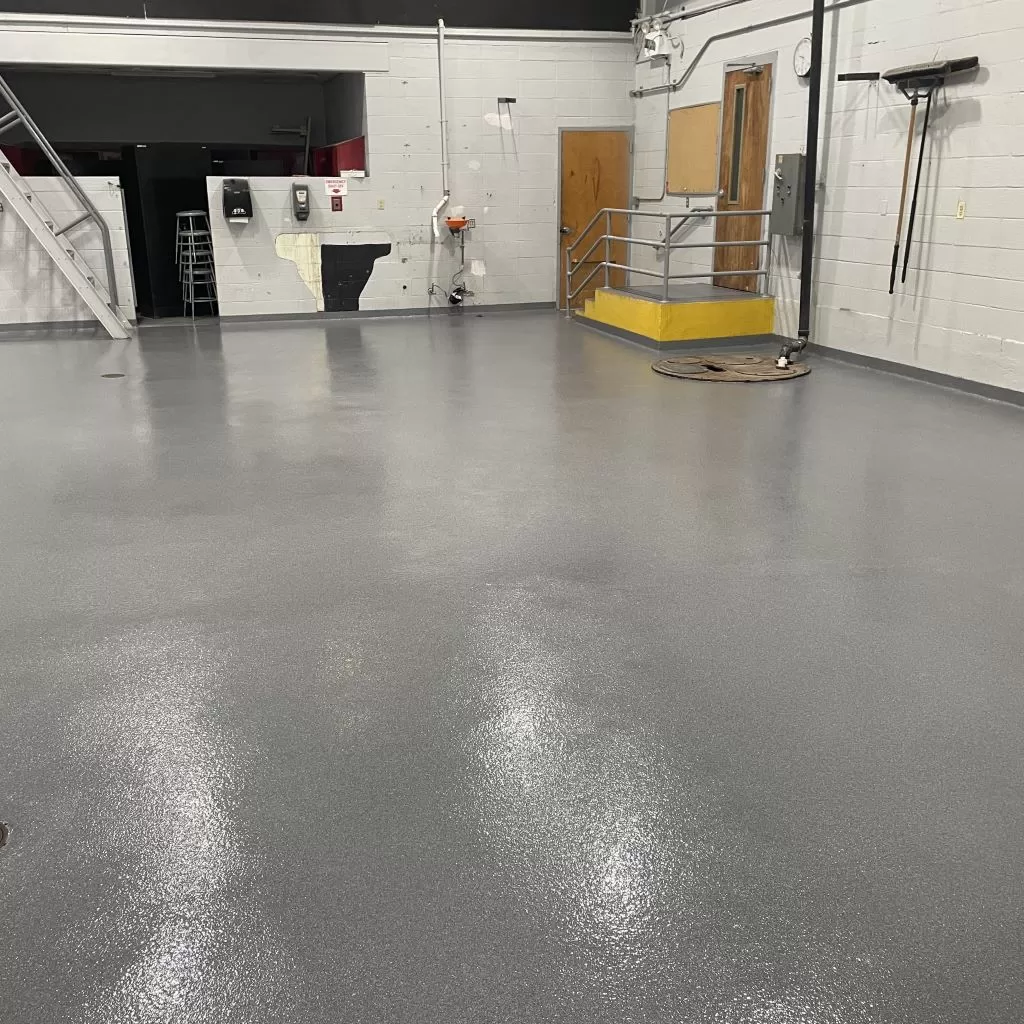
Installation of a high performance flooring system in a New Jersey pharmaceutical facility to ensure chemical resistance and durability.
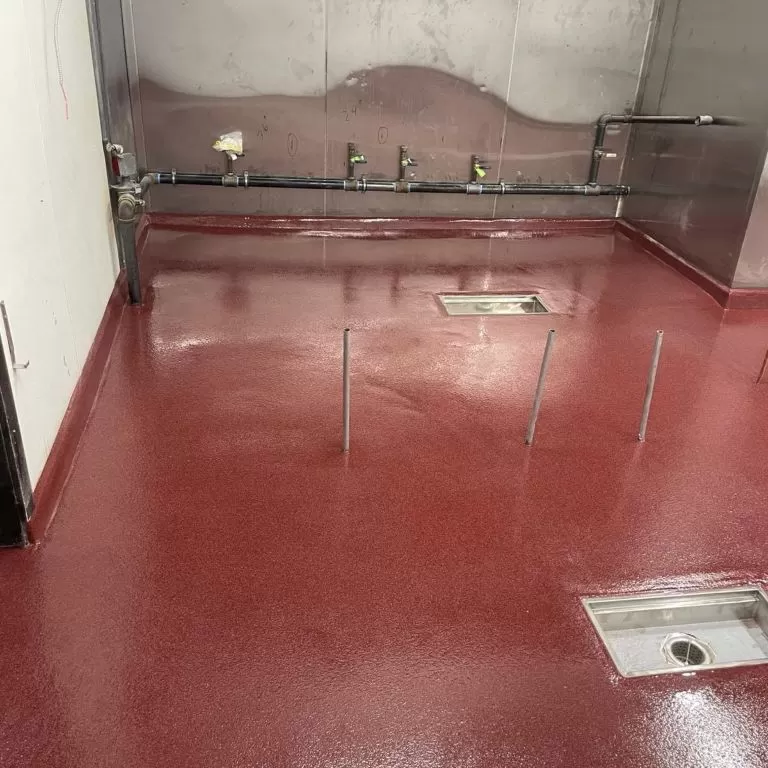
Industrial high performance flooring system installed in a New Jersey commercial kitchen to ensure USDA compliance and slip resistance.

High Performance Flooring vs. Standard Epoxy Coatings

What differentiates a professional high performance flooring system from a standard retail epoxy?

Compressive Strength: Our systems are designed to support the weight of heavy forklifts and pallet jacks without cracking.

Thermal Shock Resistance: Using advanced resins like Urethane Cement, the floor becomes an integral part of the building’s structure, capable of absorbing physical shocks and extreme temperature shifts.

Chemical Integrity: These systems are impervious to aggressive solvents and acids common in New Jersey pharmaceutical and manufacturing hubs.

Selecting the Right High Performance Flooring for Your Facility

Whether you are in Newark, Jersey City, or Rahway, selecting the right system depends on your specific substrate profile (CSP) and operational hazards. We specialize in providing tailored high performance flooring solutions for:

Note: We are a dedicated commercial and industrial contractor. We do not provide residential garage or basement services.

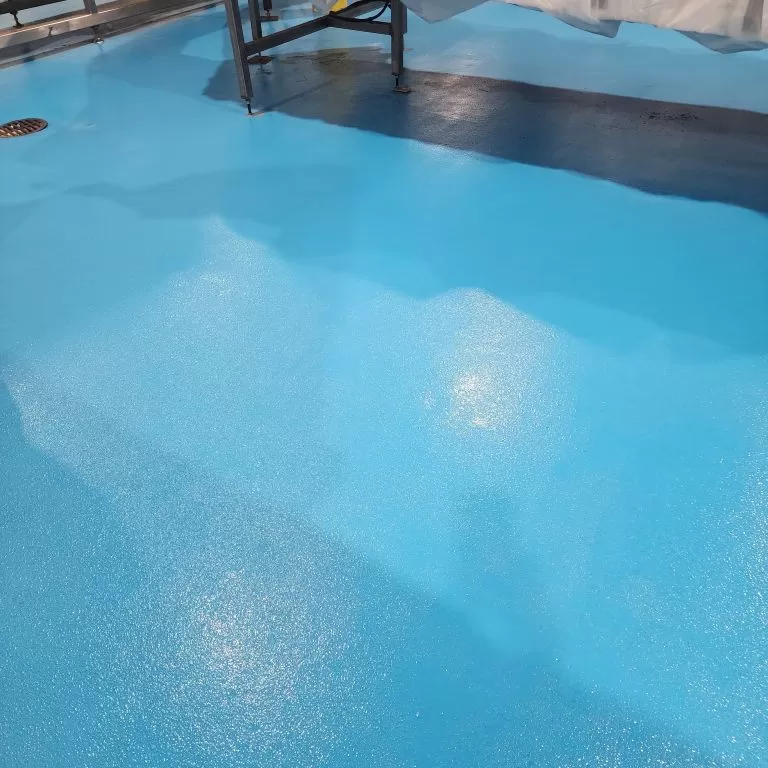
Installation of a high performance flooring system in a New Jersey pharmaceutical facility to ensure chemical resistance and durability.

FAQs About High Performance Flooring

What differentiates a "High Performance" floor from a standard coating?

A standard coating is often just a thin layer of paint or basic epoxy intended for aesthetics. A high-performance flooring system is an engineered solution designed to withstand specific environmental stressors. It combines extreme durability, chemical resistance, and thermal stability to ensure the floor survives heavy industrial traffic and harsh cleaning protocols without failing.

High-performance flooring is rarely a single product. It is a “system” consisting of multiple layers—typically a moisture-tolerant primer, a high-build body coat, and a specialized topcoat. Each layer serves a purpose: the primer ensures a permanent bond to the concrete, the body coat provides impact resistance, and the topcoat offers the final defense against chemicals and abrasion.

Standard floors often crack or peel under the weight of forklifts and pallet jacks. High-performance systems are characterized by high compressive strength and impact resistance. By using advanced resins like Urethane Cement, the floor becomes an integral part of the building’s structure, capable of absorbing physical shocks that would shatter lesser materials.

Safety is a core pillar of these systems. Beyond just being a surface, they can be customized with various levels of slip resistance to meet OSHA and ADA standards. Additionally, they are often designed to be antimicrobial and seamless, eliminating grout lines where dangerous pathogens like Listeria or Salmonella can proliferate, which is critical for food and pharmaceutical safety.

While the upfront cost is higher than a DIY or basic coating, the return on investment comes from longevity and low maintenance. A truly high-performance floor can last 10–20 years or more with minimal upkeep, whereas cheaper alternatives often require expensive repairs or total replacement every 2–3 years, leading to significant operational downtime.