...

Epoxy The Floor And Reduce Costs

Why epoxy the floor? Epoxy flooring typically provides around 10,000 pounds of compressive strength, whereas a concrete floor has approximately 3,500 pounds of compressive strength. This factor alone creates a good reason to protect your substrate, as applying an epoxy floor extends the life of your floor.

Beyond saving your existing floor, epoxies are seamless and very quick, and easy to clean. Furthermore, they are chemically resistant, protecting your space from staining or chemical attack.

When you epoxy the floor, you have many choices to select from, whether epoxy flake flooring or an industrial floor system, such as epoxy flooring for a warehouse. Why should I choose epoxy flooring? In short, if you are looking for a long-lasting, easy-to-clean flooring system that welds to your existing substrate, epoxy is the right system.
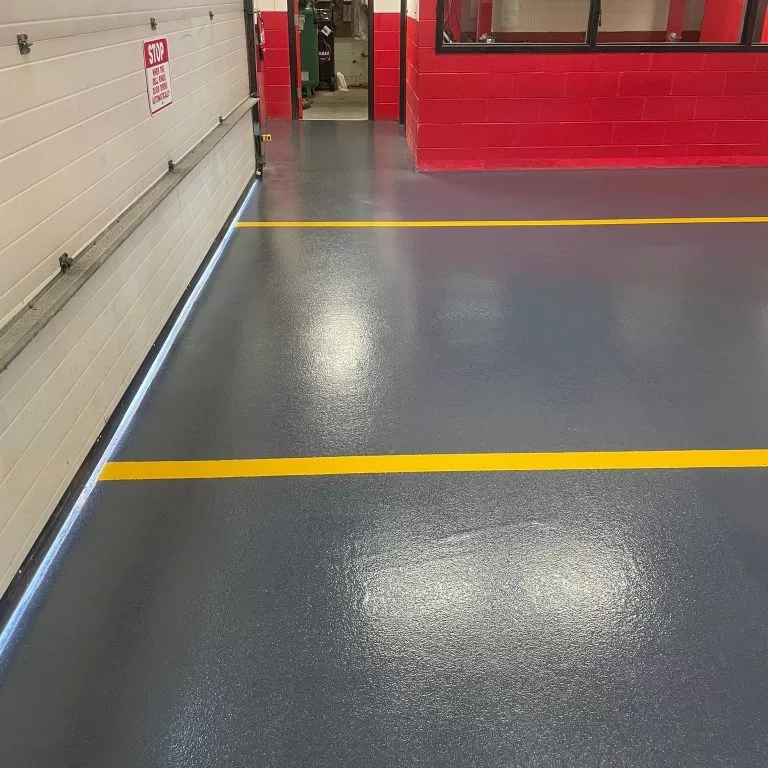
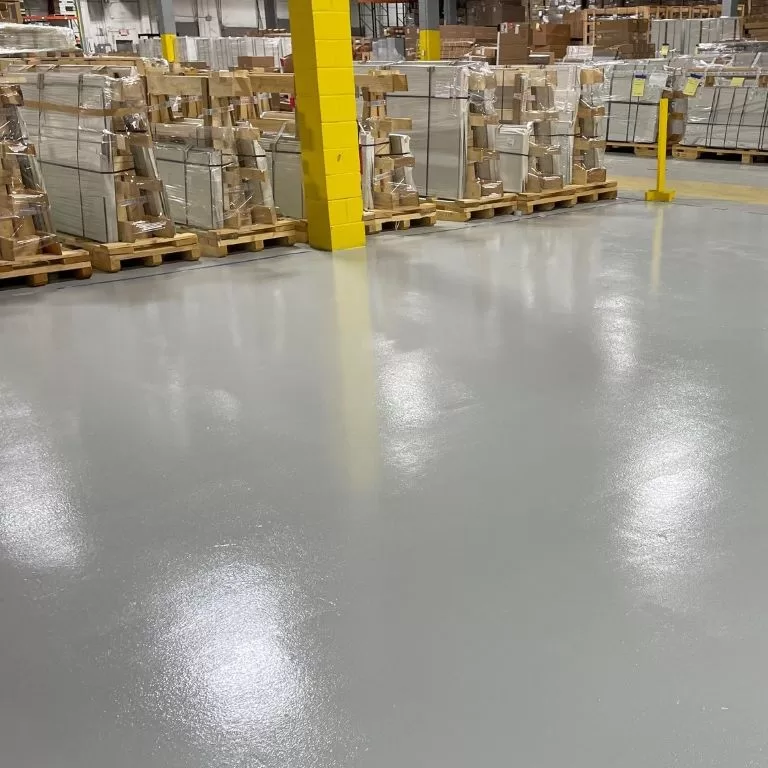
epoxy the floor
epoxy the floor

Epoxy The Floor: Ideal Applications

Epoxy the floor is versatile and can be applied anywhere; low maintenance is a priority. Where is epoxy flooring commonly installed? Over the years, we have commonly installed epoxy flooring systems in warehousing and manufacturing areas. What is a cost-saving alternative to resinous flooring? As a cost-saving measure, we often install our grind and seal concrete floor system that provides all the benefits of resinous flooring, although in clear. What decorative epoxy flooring options do I have? If you are looking to do something decorative, consider our full flake or epoxy chip flooring system for an elegant look.

Commercial kitchen flooring is another common place where you will find an epoxy floor. What makes epoxy flooring ideal for maintaining sanitation? This is because it is seamless and easy to maintain a sanitary space, particularly when applying the integrated radius coving to the wall-to-floor junctions. How does this flooring reduce my concerns about bacteria? Reducing any concerns about collecting bacteria throughout.

These are just common areas, but in short, anywhere you need easy-to-clean, durable flooring, epoxy the floor!

Commercial Kitchen Flooring

Commercial kitchen flooring is a seamless, easy-to-clean system. It can be customized for anti-slip as per your operational requirements. When adding the integrated coving, you eliminate the possibility of bacteria collecting in the corners. It comes in various colors and textures. It also boasts outstanding thermal shock qualities to ensure the epoxy floor system can handle the constant hot and cold water washdowns.

commercial kitchen flooring

FAQs

How does "epoxying the floor" reduce overall facility costs?

Choosing to epoxy the floor reduces costs by creating a highly durable, protective layer that prevents damage to the underlying concrete. This eliminates the need for expensive structural repairs or full floor replacements, providing a much lower “total cost of ownership” over the life of the building compared to traditional flooring.

Yes. High-gloss epoxy flooring significantly increases light reflectivity. By bouncing more light back into the room, facilities can often achieve required brightness levels with fewer overhead lights or lower-wattage bulbs, resulting in measurable savings on electricity costs.

In industrial settings, “epoxying the floor” creates a perfectly smooth, seamless surface. This reduces the wear and tear on material handling equipment like forklifts and pallet jacks. Smoother travel paths mean fewer repairs for tires, axles, and suspension systems, which directly lowers operational costs.

Traditional porous floors trap dirt, grease, and bacteria, requiring intensive scrubbing and expensive chemical cleaners. Because epoxy floors are non-porous and seamless, they can be sanitized quickly with minimal labor. This reduction in man-hours spent on maintenance allows staff to focus on more productive tasks.

Absolutely. Unprotected concrete is susceptible to “dusting,” cracking, and chemical erosion. By sealing the floor with epoxy, you create a chemical-resistant barrier that stops degradation before it starts. This proactive approach is significantly cheaper than the reactive costs of patching holes or grinding down damaged concrete every few years.