...

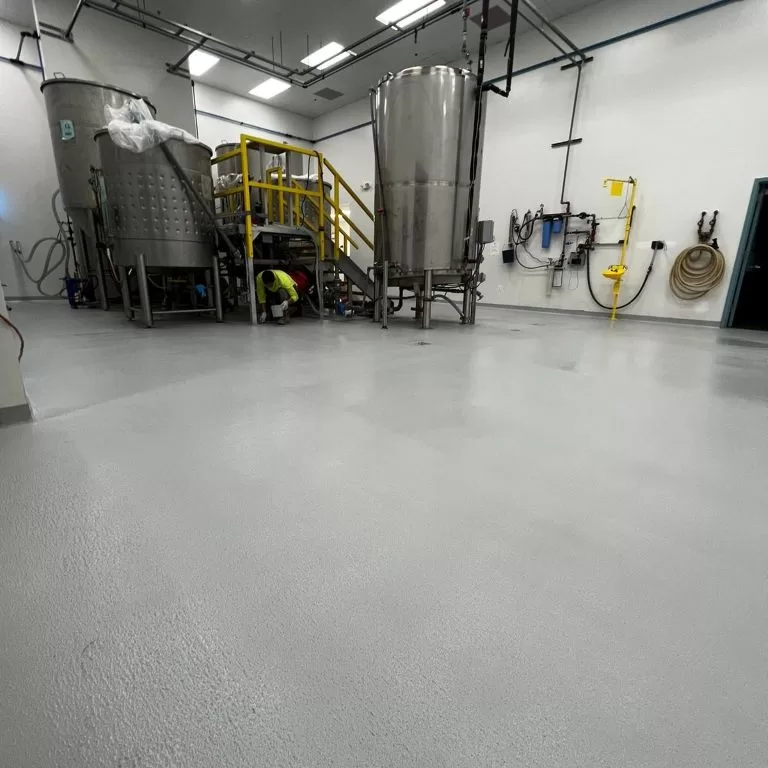
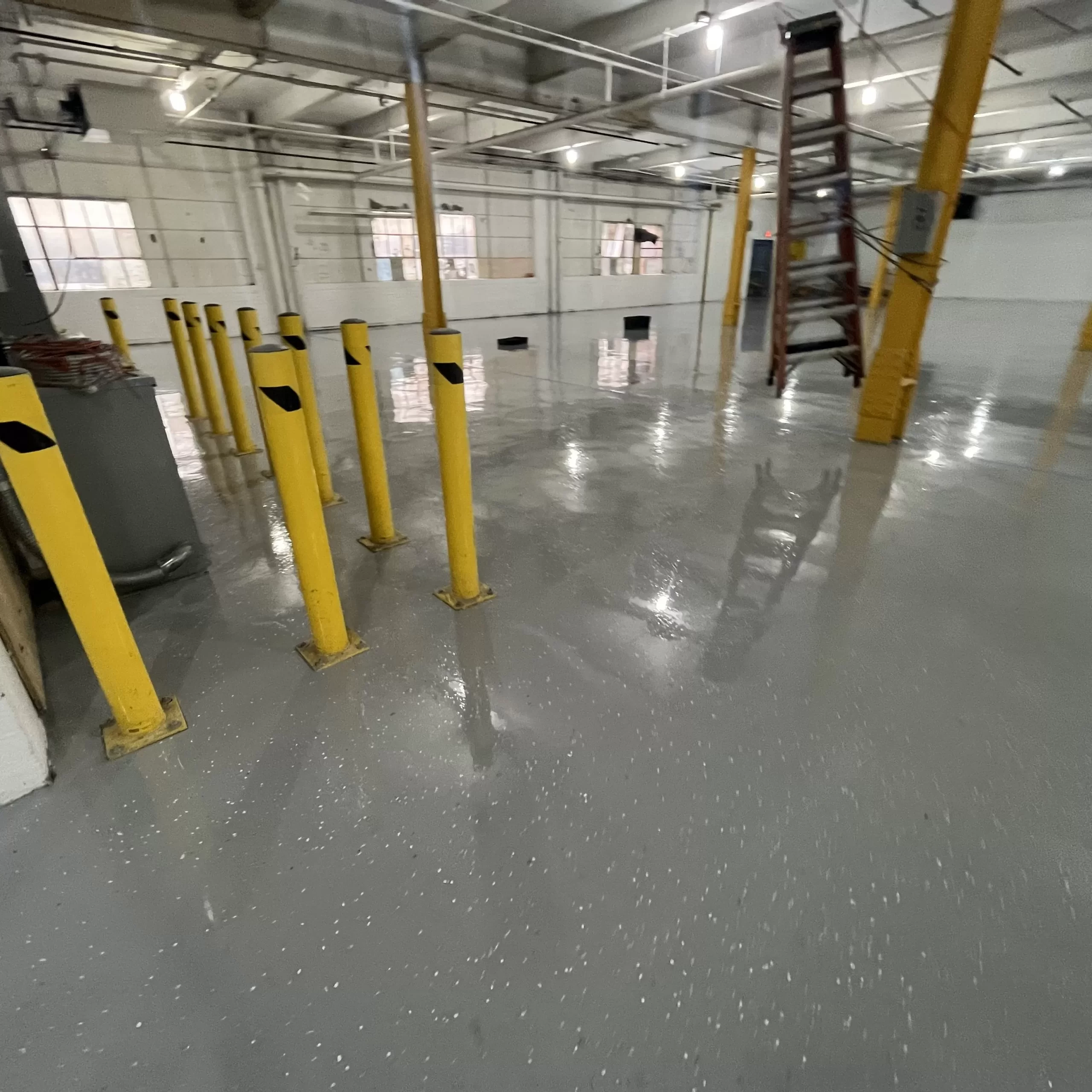
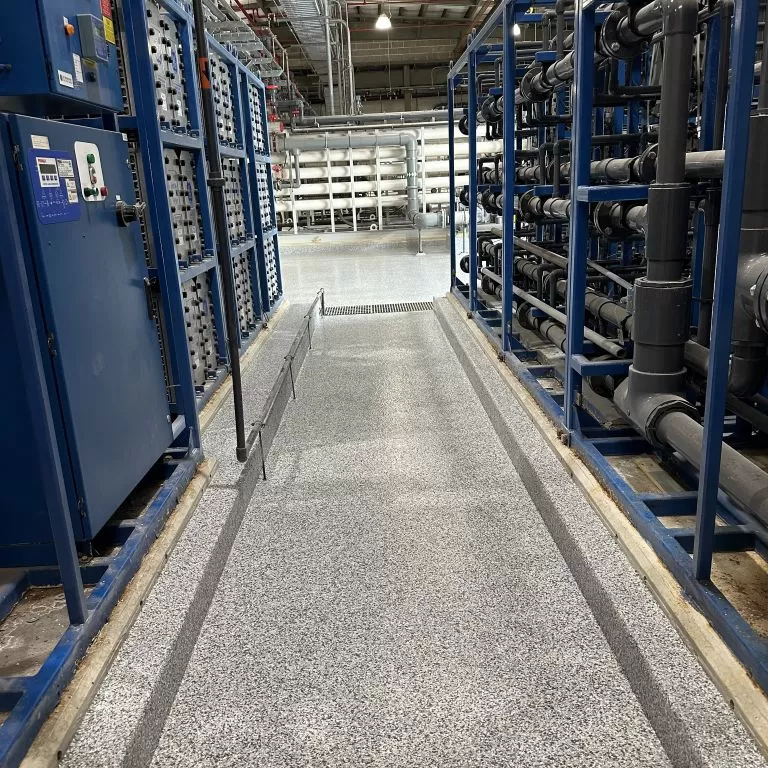
Chemical Resistant Flooring

The Science Behind Chemical Resistant Flooring for Industrial Facilities

A chemical spill in a busy manufacturing plant is not a drill. It’s a direct attack on the facility’s very foundation. For the operations manager, the first fear is for team safety. The second is for the floor. Will that corrosive liquid etch a permanent scar, costing thousands in downtime and repair? Or will the surface contain it, ready to be cleaned and forgotten?

This is where standard flooring fails. What is the real difference for me? The difference is a deliberate, scientific defence system engineered into the floor itself. Why is this scientific knowledge important to me? The knowledge in this science is fundamental to the operational integrity and sustainable financial well-being. What am I about to uncover? We shall draw the veil aside and see what actually renders a chemical resistant flooring system.

Best Chemical Resistant Flooring
Epoxy Chemical Resistant Flooring

The Core Defense: A Molecular Net

At the heart of every chemical-resistant floor is a principle called cross-linking. Think of a standard coating as a pile of loose, dry spaghetti strands. They can easily separate. A cross-linked system is like that spaghetti cooked and formed into a solid block. The individual molecules form permanent, three-dimensional bonds.

This dense, interconnected network is the first line of defence. How does this structure protect my surface? It creates a surface with extremely low porosity. Why can’t aggressive liquids penetrate my floor? There are no microscopic pathways for aggressive liquids to seep through and attack the concrete below. What determines the level of protection I receive? The tighter this molecular net, the better the protection.

This is why generic epoxy paints from a hardware store fail in industrial settings. Their structure is looser. It simply can’t lock out determined chemical intruders.

Choosing the Right Resin for the Threat

Not all chemicals attack a floor the same way. Some are acidic, some are alkaline, and others are solvents. A floor that stands up to battery acid might soften under a common solvent. Material science dictates the specification. There are three primary resin champions, each with a different specialty.

Epoxy Resins: The Versatile Workhorse

They form incredibly hard, durable surfaces. They offer excellent resistance to a wide range of acids, alkalis, and salts. Think sulfuric acid, bleach, or food processing byproducts. They are strong and reliable for general-duty defense.

Polyurethane Systems: The Flexible Specialists

Polyurethanes bring much-needed flexibility where epoxies are hard. How do polyurethanes handle impact and thermal shock for me? They are able to take up impact and thermal shock without cracking. Why are polyurethanes suitable for demanding chemical environments I work in? Their superior resistance to solvents like ketones, esters, and fuels makes them ideal for labs, aviation hangars, or places with aggressive organic chemicals.

Vinyl Ester Resins: The Extreme-Duty Option

For severe and continuous chemical exposure, vinyl ester is often specified. Think primary containment in a chemical processing plant. It offers the highest level of corrosion resistance against strong acids and oxidizing agents, even at high temperatures.

The science is in the selection. A qualified installer diagnoses the threat. They ask: What specific chemicals are present? At what concentration? Is it a spill or a constant puddle? The answers determine the resin chemistry required.

Top Chemical Resistant Flooring

The Make-or-Break Step: Surface Preparation

Here is an uncomfortable truth. The most advanced polymer resin will fail if applied to a poorly prepared floor. The bond between the coating and the concrete is everything. This process is not simply cleaning. It is reconstruction.

Modern preparation is critical. It typically involves:

Mechanical Profiling: Shot blasting or grinding to open up the pores of the concrete.

Surgical Cleanup: Vacuuming of the industry using the equipment with the HEPA filter so that no dust is left.

Moisture Testing: Checking for vapor from the slab that could ruin the bond.

The goal is to create a perfectly clean, sound, and porous surface. The liquid resin must mechanically lock into it, forming a single, monolithic entity. A flaw here is a guaranteed point of failure later. It’s where theoretical chemistry meets gritty, non-negotiable field expertise.

More Than Just a Clean Floor: The Real-World Payoff

When the chemistry is perfect and the installation is accurate, the results can translate into definite business measurements. An appropriate chemical-resistant floor leads to:

Risk Mitigation: It eliminates the cost and chaos of emergency floor repairs and major production downtime.

Safety Compliance: It creates a safer, easier-to-clean environment. This assists in high standards of OSHA and GMP, reducing the risks of slipping and contamination.

Asset Longevity: Shielding the structural concrete slab, it preserves the building itself. This pushes major replacement costs far into the future.

The science is practical. It’s about engineering a precisely calibrated barrier that understands its enemy. It’s a fusion of polymer chemistry, surface physics, and disciplined craftsmanship.

Specifying the right floor is a complex equation. The outcome is simple: predictable performance and true peace of mind. At High Performance Systems, we have been solving this equation on demanding industrial sites since 1988. We translate the science of resistance into the reality of reliable, long-term protection for your facility.

Chemical Resistant Flooring

FAQs

Can I get custom chemical-resistant epoxy installations in NJ?

Yes, High Performance Systems offers custom chemical-resistant epoxy installations in NJ tailored to specific facility needs and performance requirements.

High Performance Systems provides chemical-resistant epoxy flooring repair services in NJ to fix damage, restore protection, and maintain safe floor surfaces.

High Performance Systems is among the best chemical-resistant epoxy installers in NJ, with experienced professionals delivering durable, high‑quality floor protection.

High Performance Systems offers industrial chemical-resistant epoxy solutions in NJ that withstand acids, solvents, oils, and heavy traffic in demanding environments.

High Performance Systems provides affordable chemical-resistant epoxy flooring in NJ that combines protection against corrosive substances with cost‑effective installation services.