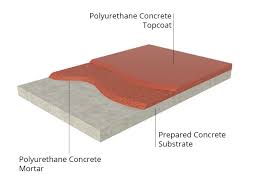
...

Top Factors That Influence Commercial Kitchen Epoxy Flooring Cost

How Much Does Commercial Kitchen Epoxy Flooring Cost in 2026?

The average commercial kitchen epoxy flooring cost ranges from $8.00 to $15.00 per square foot. However, for high-traffic environments requiring USDA compliance and thermal shock resistance, most facility managers should budget for urethane cement systems, which provide a significantly higher ROI through durability and reduced downtime.

Deciphering Commercial Kitchen Epoxy Flooring Cost: Beyond the Square Foot Estimate

Budgeting for a restaurant or industrial facility renovation requires a clear understanding of where your capital is going. While it is tempting to look for the lowest per-square-foot price, commercial kitchen epoxy flooring cost is a direct reflection of the engineering required to withstand “inhumane” operational conditions. From moisture mitigation in the subfloor to the specific urethane cement chemistry needed for thermal shock resistance, every dollar invested in a high-performance floor is insurance against future downtime. At High Performance Systems, we don’t just provide a quote; we provide a transparent breakdown of the labor, materials, and certified expertise necessary to ensure your floor lasts for a decade, not just a season.

The Three Pillars of Pricing Commercial Kitchen Epoxy Flooring Cost

A. Substrate Preparation: The “Invisible” Cost
We don’t just “paint” concrete; we engineer a bond. The condition of your slab is the biggest price variable.

Mechanical Profiling: We use 800-pound planetary grinders to achieve a specific CSP (Concrete Surface Profile).

Moisture Mitigation: If your slab has high vapor emission, we install a specialized moisture vapor barrier to prevent delamination—a critical step many low-bid contractors skip.

B. Chemistry Selection: Epoxy vs. Urethane Cement
Standard Epoxy: Best for dry storage or low-impact areas.

Urethane Cement: The “Gold Standard” for kitchens. It handles thermal shock from 200°F washdowns and organic acids that eat through standard coatings.

C. The Cost of Compliance & Safety
Integral Cove Base: Essential for USDA/FDA inspections, creating a seamless “bathtub” effect.

Slip-Resistance: We broadcast specialized aggregates into the system to ensure staff safety in wet, oily environments.
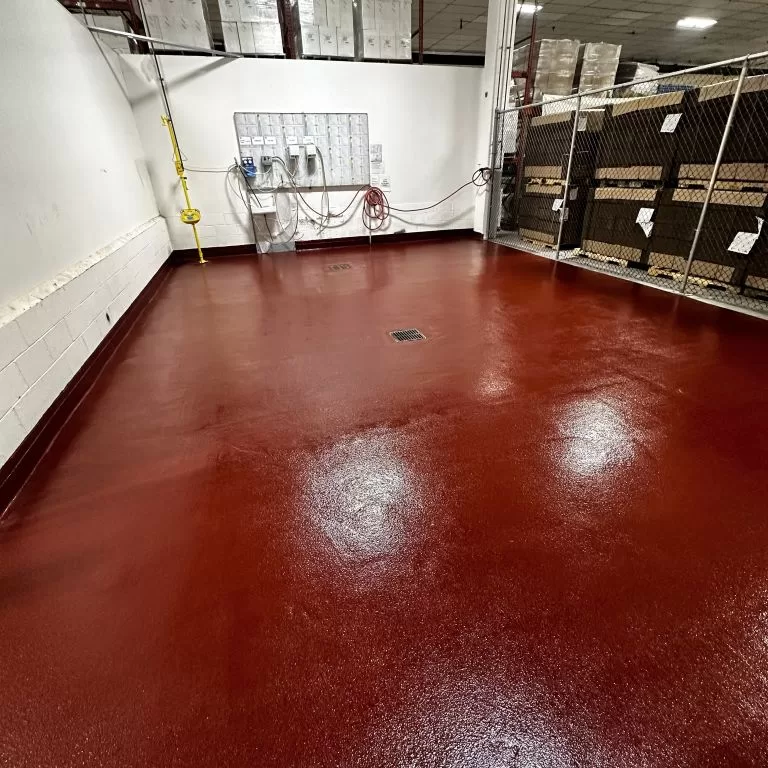
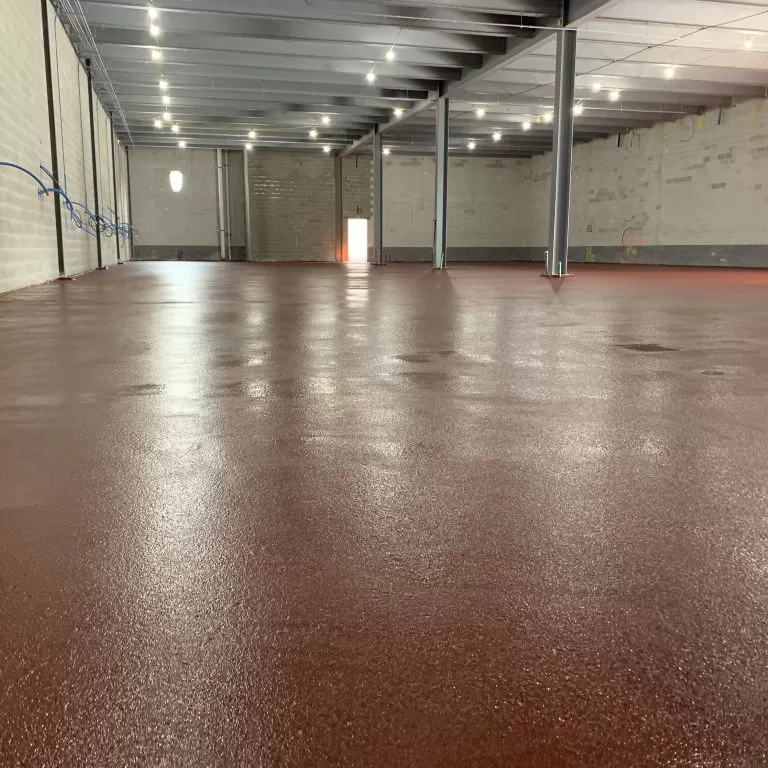
Durable commercial kitchen flooring cost-effectively installed using 800-pound planetary grinders for maximum bond.
Red urethane cement kitchen flooring with a seamless 4-inch integral cove base for USDA-compliant sanitation.

The "True Cost" Comparison Urethane cement vs epoxy cost NJ

FeatureStandard EpoxyUrethane Cement (HPS)Quarry Tile
Initial CostLow ($)Moderate ($$)High ($$$)
SanitationFair (Porous)Excellent (Seamless)Poor (Grout lines)
Thermal ShockNoYes (Steam Cleanable)No (Cracks)
Lifespan2-3 Years10+ Years5-7 Years (Grout failure)

FAQs About Commercial Kitchen Epoxy Flooring Cost

Why does the condition of my subfloor impact the final price?

The existing concrete is the foundation of your investment. If the slab is new and sound, prep work is minimal and costs stay lower. however, old or damaged concrete requires diamond grinding, crack repairs, and leveling. Additionally, if moisture meter readings are high, a moisture vapor barrier must be installed to prevent the floor from failing, which adds to the material and labor costs.

While a basic, thin-mil epoxy is cheaper upfront, it is generally unsuitable for the “inhumane conditions” of a commercial kitchen. These environments require 100% solids epoxy or polyurethane systems that can withstand thermal shock (like hot oil spills), heavy traffic, and harsh chemical degreasers. Choosing the wrong system leads to premature failure, making it the most expensive option in the long run.

A professional installation usually requires a kitchen shutdown of 4 to 7 days. This timeline allows for proper surface preparation, application of multiple layers, and necessary cure times between coats. If work must be done in overnight shifts or around fixed equipment, labor costs may increase due to the complex logistics.

Safety is a critical variable. Most high-quality quotes include slip-resistant additives like aluminum oxide or quartz sand broadcast into the coating. While these add to the material and installation steps, they are essential for maintaining a safe working environment in wet or greasy kitchen conditions.

To avoid “gambling” on a quote, ensure the proposal explicitly details:

  • Specific preparation steps (e.g., moisture testing, diamond grinding).

  • Product specifications, including the exact product name and the mill thickness being applied.

  • Warranty details, specifically what is covered and for how long.